What Is Sourdough Starter? Your Essential Beginner's Guide
What is sourdough starter? At its core, a sourdough starter is a dynamic, living culture crafted from just flour and water. This simple mixture becomes home to a vibrant community of wild yeast and lactic acid bacteria, organisms naturally found in grains and the air around us. Unlike commercial yeast, which offers a singular, predictable rise, a mature sourdough starter provides both the leavening power for bread and the distinctive tangy flavor sourdough is famous for. The wild yeast produces carbon dioxide, causing the dough to rise, while the bacteria generate lactic and acetic acids, contributing to the unique taste and natural preservation of the loaf. Once established, this remarkable culture can thrive indefinitely with consistent feedings, with some bakeries proudly maintaining starters that are decades or even centuries old.
Unpacking the Sourdough Starter Definition
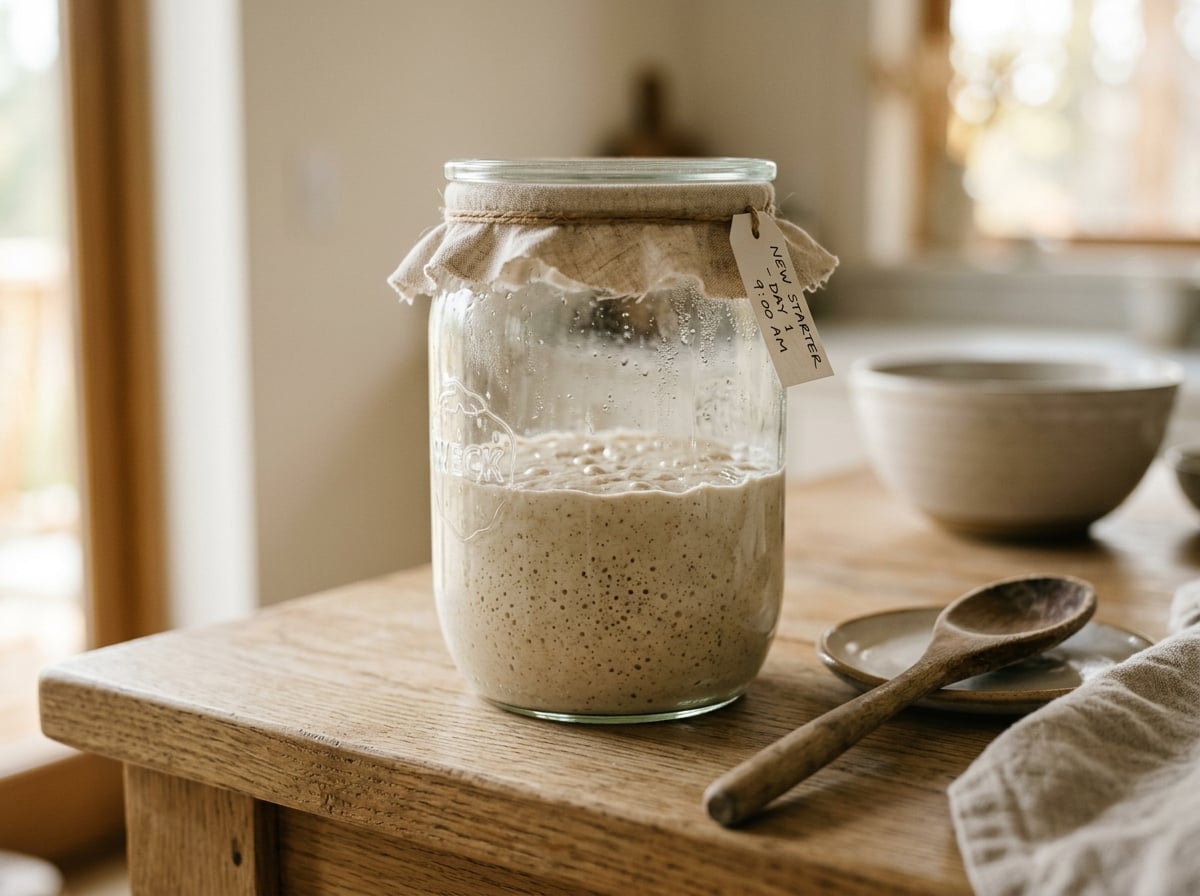
Stripped down, a sourdough starter is simply fermented flour and water. Combine the two ingredients, let the jar rest at room temperature, and within a few days, you'll observe tell-tale bubbles, detect a subtle aroma reminiscent of beer or yogurt, and notice the mixture increasing in volume after being fed. This transformation is the result of fermentation, a biological process driven by microorganisms naturally present on the flour and within your kitchen environment.
Your starter's bustling microscopic community is primarily composed of two groups:
- Wild Yeast: These are typically strains of Saccharomyces cerevisiae or related species, though their exact composition can vary significantly by geographical region and even individual household. These yeasts are the primary leavening agents; they metabolize sugars in the flour, releasing carbon dioxide gas, which gets trapped within the dough's gluten network, causing it to expand and rise.
- Lactic Acid Bacteria (LAB): Predominantly Lactobacillus species, a healthy starter can host dozens of different bacterial strains. These bacteria ferment sugars into lactic and acetic acids, which are responsible for sourdough's characteristic sour flavor profile.
From my personal experience of maintaining a starter for years, what often surprises newcomers is the inherent resilience and self-correcting nature of the process. You don't need to introduce any specialized cultures. Flour naturally harbors yeast spores and bacteria on its surface. Given the right conditions—water, time, and warmth—a stable microbial community will establish itself, typically within five to ten days, sometimes quicker in a warmer kitchen. For those interested in how to make a sourdough starter, it's a remarkably straightforward process.
Sourdough Starter vs. Commercial Yeast: Key Differences
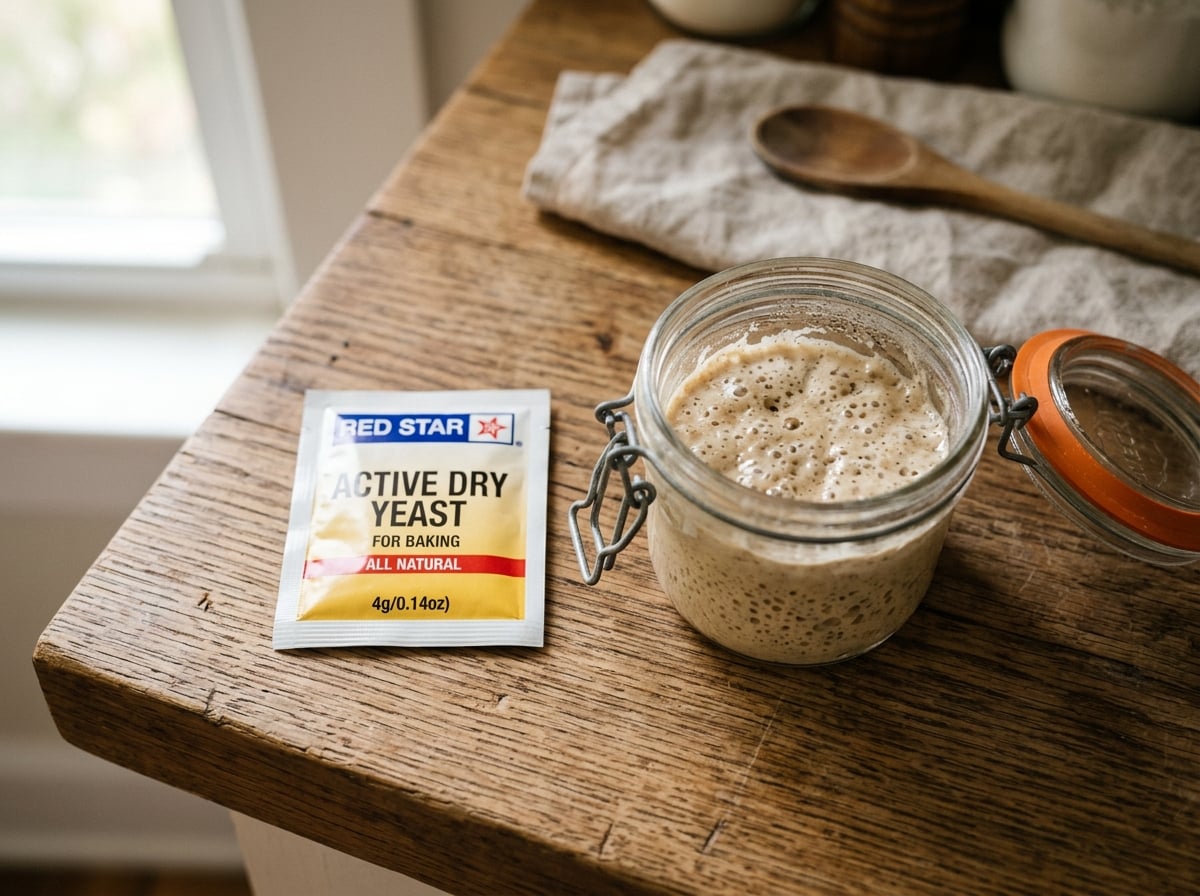
Commercial yeast—available as active dry, instant, or fresh cake yeast—is a laboratory-cultivated, single, isolated strain of Saccharomyces cerevisiae. It's engineered for rapid, predictable leavening. A sourdough starter, in contrast, is a wild, complex ecosystem of multiple yeast and bacterial strains. Its behavior can subtly shift based on variables like your chosen flour, water source, ambient climate, and even the container it's kept in.
Let's compare these two leavening agents practically:
| Feature | Commercial Yeast | Sourdough Starter |
|---|---|---|
| Composition | Single yeast strain | Diverse wild yeasts + multiple bacterial strains |
| Rise Time | Typically 1–2 hours | Usually 4–12+ hours (highly variable) |
| Flavor Profile | Neutral, allows other flavors | Tangy, complex, nuanced, varies by starter |
| Maintenance | Dormant until activated | Requires regular feeding to stay alive |
| Digestibility | Less pre-fermentation | Longer fermentation breaks down gluten and phytic acid, potentially aiding digestion |
| Consistency | Highly predictable | Varies with temperature, feeding ratio, flour type |
The most significant practical distinction lies in speed and control. Commercial yeast is prized for its reliability, allowing bakers to expect a consistent rise within a specific timeframe. Starters are slower and more susceptible to temperature fluctuations; a starter that doubles in four hours at 78°F might take eight hours at 65°F. This variability, however, is precisely what many bakers cherish. The extended fermentation period allows enzymes more time to break down starches and proteins, leading to profound flavor development and, for many individuals, a bread that is easier to digest. (To learn how to start a sourdough starter from scratch, consult this guide).
The Science of Sourdough Fermentation, Simplified
At its core, fermentation is a biological process where microorganisms consume nutrients and produce metabolic byproducts. When you combine flour and water, you're providing wild yeast and bacteria access to the starches and sugars naturally present in the flour. Amylase enzymes, also found in flour, break down complex starches into simpler sugars, which then become the food source for the yeast and bacteria.
Yeast primarily produces two substances crucial for baking: carbon dioxide, which creates air pockets and causes the dough to rise, and ethanol, which contributes to the bread's aroma and flavor (and largely evaporates during baking). Bacteria, on the other hand, generate organic acids—predominantly lactic acid, which imparts a milder, yogurt-like tang, and acetic acid, the same acid found in vinegar, which delivers a sharper, more pungent sourness.
The balance between these two acids determines whether a starter produces a subtly flavored sourdough or one with a pronounced pucker-inducing tang. A starter maintained at warmer temperatures and fed more frequently tends to favor lactic acid production, resulting in a milder flavor. Conversely, a starter kept cooler, fed less often, or left for longer periods between feedings typically accumulates more acetic acid, leading to a sharper tang. This dynamic is a key reason why San Francisco sourdough boasts such a distinctive reputation; the cool coastal climate and specific local wild yeast strains (informally associated with the bacterium Fructilactobacillus sanfranciscensis, first identified in San Francisco starters) promote a particularly assertive sour profile.
Fortunately, achieving this balance at home doesn't require precise laboratory conditions. You're essentially adjusting environmental factors like temperature and feeding frequency to subtly guide the flavor profile in your preferred direction.
Why Sourdough Starters Demand Regular Feeding
Think of your starter as a thriving, miniature ecosystem. Like any ecosystem, it requires a consistent food supply to sustain its microbial populations. "Feeding" involves discarding a portion of the existing starter and replenishing it with fresh flour and water. Neglect this step for too long, and the yeast and bacteria will deplete their food source, produce an excess of acid, and eventually begin to decline or be overtaken by less desirable microbes.
A typical feeding regimen usually involves these steps:
- Discarding: Remove all but about 20–50 grams of your active starter. This step is crucial to prevent the jar from overflowing and to manage the culture's acidity levels.
- Adding Fresh Ingredients: Incorporate equal parts flour and water by weight. A common and easy-to-remember ratio is 1:1:1 (starter:flour:water), though some bakers opt for ratios like 1:2:2 or even 1:5:5 to cultivate a milder culture or reduce feeding frequency.
- Mixing and Waiting: Stir the mixture until thoroughly combined. Then, leave it loosely covered at room temperature for 4–12 hours, with the exact duration depending on the ambient warmth.
- Observation: Look for signs of activity, such as doubling in volume and a visibly domed or bubbly surface. These are indicators that your starter is at its peak activity and ready for use in baking or for another feeding.
At room temperature, most starters require feeding every 12 to 24 hours to maintain optimal activity. If your baking schedule isn't frequent, you can significantly slow down the metabolic processes by refrigerating your starter, reducing feeding to just once a week. Cold temperatures induce a state of dormancy, much like a bear's hibernation, keeping the culture alive but at a much slower metabolic rate.
However, occasional neglect isn't necessarily a death sentence. I've successfully revived starters that sat untouched in the back of a fridge for over a month, even with a dark liquid layer (often called "hooch") pooled on top. A consistent discard-and-feed cycle over two or three days is usually sufficient to restore an older starter to full strength, provided it hasn't developed mold, which is the one irreversible sign that it's time to start over.
Demystifying Common Sourdough Starter Myths
The world of sourdough is rich with tradition, but also some misconceptions that can steer new bakers astray. Let's address a few:
- Myth: You need to purchase or "capture" special wild yeast. Some vendors market starters as containing unique regional yeast strains that are impossible to replicate at home. In truth, any starter cultivated from flour and water, anywhere in the world, will naturally develop its own unique community of wild yeast and bacteria, drawn from its local environment. While a starter from a century-old bakery might have distinct characteristics, a fresh one you create in your own kitchen this week is equally authentic and effective.
- Myth: Hooch signifies a dead starter. That dark liquid layer on top is simply alcohol, a byproduct produced by the yeast when it's hungry. It's a clear signal of hunger, not a sign of demise. Simply pour it off or stir it back in, then proceed with your usual feeding routine.
- Myth: Only bottled or filtered water is acceptable. Unless your tap water contains high levels of chlorine or chloramines, regular tap water is generally fine. If you have concerns, letting a glass of tap water sit out overnight allows chlorine to dissipate before use.
- Myth: Sourdough is inherently gluten-free or safe for celiac disease. This is incorrect. While the fermentation process does break down some gluten proteins, which may render the bread easier to digest for individuals with mild sensitivities, it does not eliminate gluten entirely and is not safe for anyone with celiac disease or severe gluten intolerance.
- Myth: A starter that isn't constantly bubbling is ruined. Microbial activity naturally fluctuates between feedings and is heavily influenced by temperature. A sluggish starter in a cool kitchen during winter isn't damaged; it's simply reacting to the cold.
Integrating Sourdough Starter into Your Bread-Baking Journey
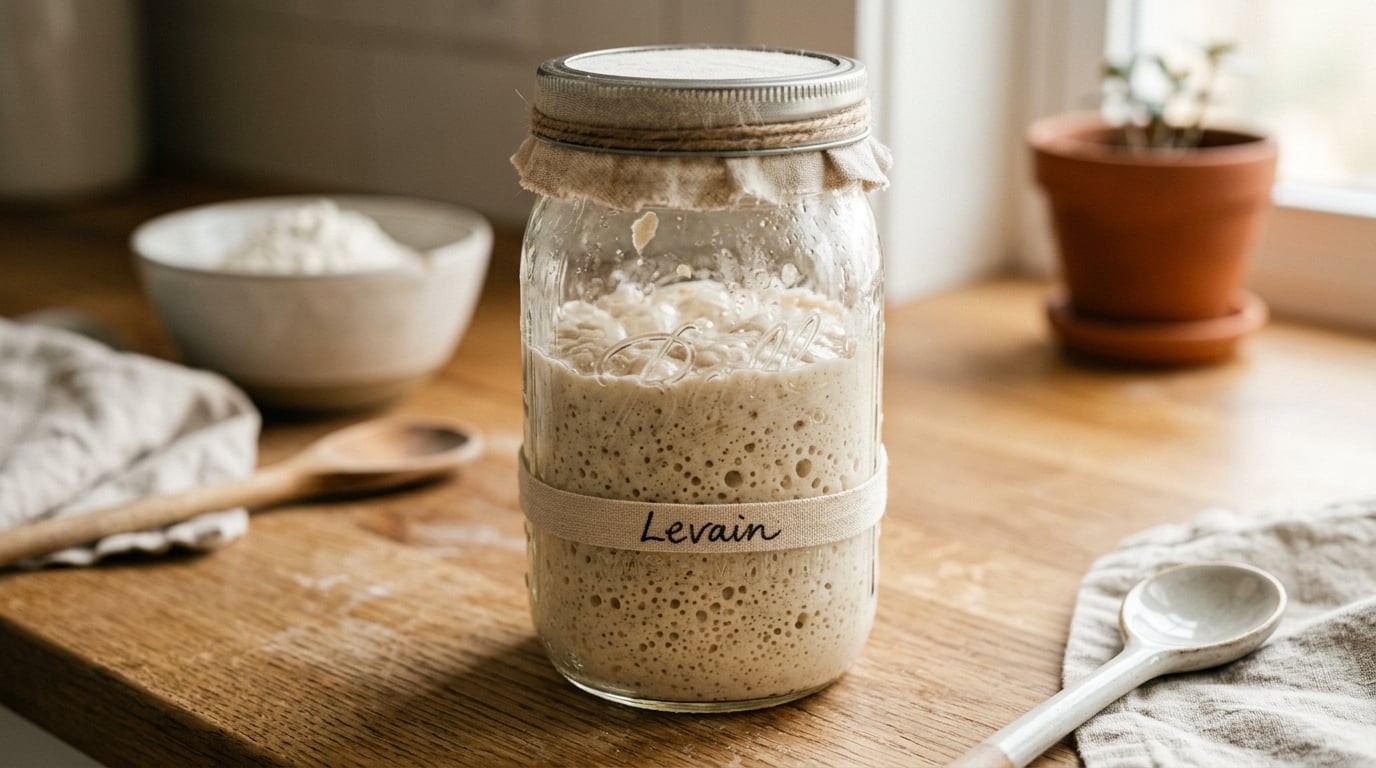
The starter is the vital leavening agent, but it's just one crucial component in the broader sourdough bread-making process. A typical timeline for baking sourdough bread involves cultivating an "active" starter. This means feeding it until it becomes consistently bubbly and reliably doubles in size within a few hours—a state bakers refer to as being at "peak" activity. This active starter, sometimes called a levain when specifically built for a single baking session, is then incorporated into the final dough alongside flour, water, and salt.
From this point, the dough undergoes bulk fermentation, often spanning four to six hours at room temperature, followed by shaping and a final proof, which many bakers conduct overnight in the refrigerator to enhance flavor development and improve crumb texture. Only after these critical steps does the prepared loaf enter the oven.
Thus, the starter itself isn't the finished bread; rather, it's the dynamic engine that propels the entire process, providing both the lift and the complex flavors long before the dough ever sees the heat of an oven. Embracing the understanding of a sourdough starter as a living, breathing culture, rather than a mere ingredient, is truly the pivotal insight that allows most beginners to confidently navigate the world of sourdough baking. For guidance on choosing the best sourdough starter option, whether making one from scratch or acquiring one, further resources are available.
Leave a Reply