
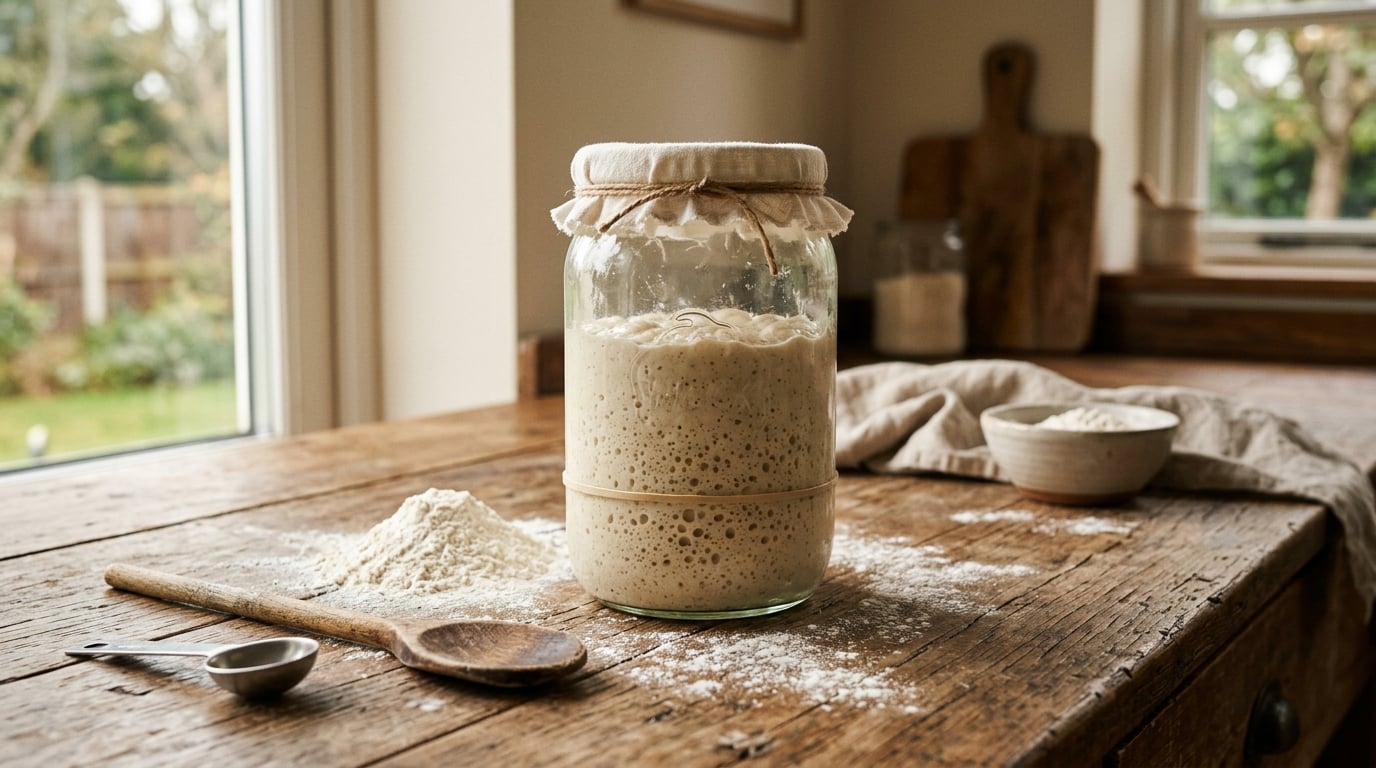
Never lose a sourdough starter again
Clear, no-nonsense guidance for feeding, reviving, and baking with your own wild yeast culture, whatever shape its currently in.
This site is a practical home base for anyone keeping a jar of flour and water alive on their counter. Whether you just mixed your first starter or youre nursing a years-old one back from neglect, youll find plain-spoken feeding routines, troubleshooting steps, and ways to use the discard youd otherwise toss.

Meet Marta Olsen
A home baker who got obsessed with feeding and troubleshooting her own sourdough starter, reading its bubbles and smells like clues until it finally stopped smelling like nail polish.
Troubleshooting Guides
Work through sluggish rises, pink or fuzzy spots, and harsh vinegar smells with clear diagnostic steps that explain whats actually happening and how to correct it.
Feeding Schedules
Follow straightforward ratios and timing charts built for room-temperature counters, slower fridge storage, or anything in between, so your starter stays reliable and ready to bake.
Baking With Discard
Put every scoop of extra starter to work in pancakes, crackers, muffins, and loaves, with recipes designed around the amount youd normally scrape out and pitch.
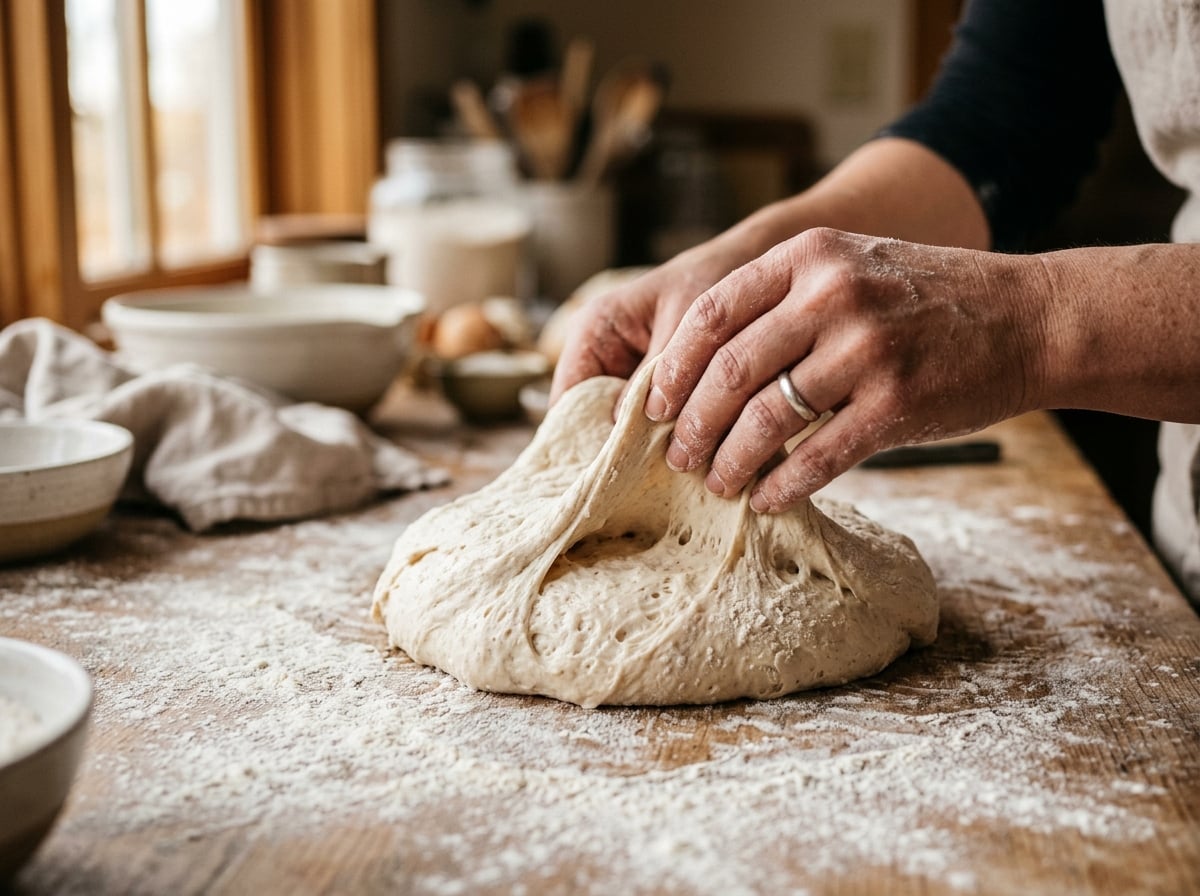
It is a living culture, not a recipe
Temperature, flour type, and hydration all change how your starter behaves, so a single fixed formula rarely works for long. Instead, we teach you to read the signals it gives off, like rise speed, smell, and bubble pattern, so you can adjust feedings on the fly and respond to what your specific starter needs.
Frequently asked questions
Why is my sourdough starter not rising at all?
A starter that wont rise is usually too cold, underfed, or simply still young and building strength. Move it somewhere warmer, feed it fresh flour more often, and give it several days of consistent feedings before expecting reliable, steady bubbling.
How often do I need to feed my starter?
At room temperature, plan on feeding once or twice a day since warmth speeds up fermentation and hunger. If you store it in the fridge between bakes, a weekly feeding is typically enough to keep it alive and ready to revive.
Can I revive a starter that has liquid on top?
Yes, that dark or grayish liquid, sometimes called hooch, simply means your starter has run out of food and slowed down. Pour off most of it, discard some starter if its dense, and resume regular feedings to bring the activity back.
What flour works best for a new starter?
Whole wheat or rye flour contains more wild yeast and bacteria, so it kickstarts fermentation faster during the first week or two. Once your starter is active and reliable, you can gradually shift it over to all-purpose flour for ongoing feedings.
Latest articles
-
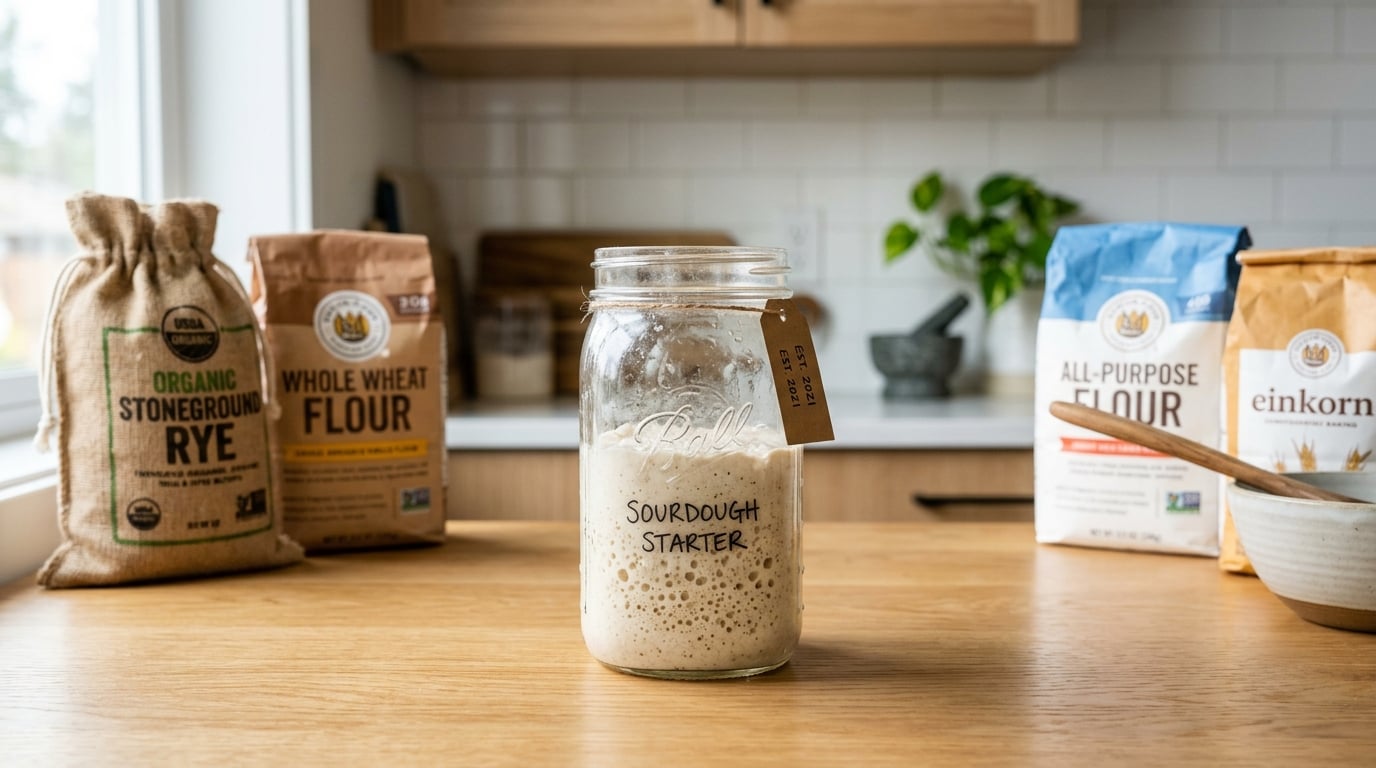 · ⏱ 10 min read
Best Sourdough Starter Options: How to Choose or Make One in 2026
Read more →: Best Sourdough Starter Options: How to Choose or Make One in 2026best sourdough starter — Best Sourdough Starter Options: How to Choose or Make One…
-
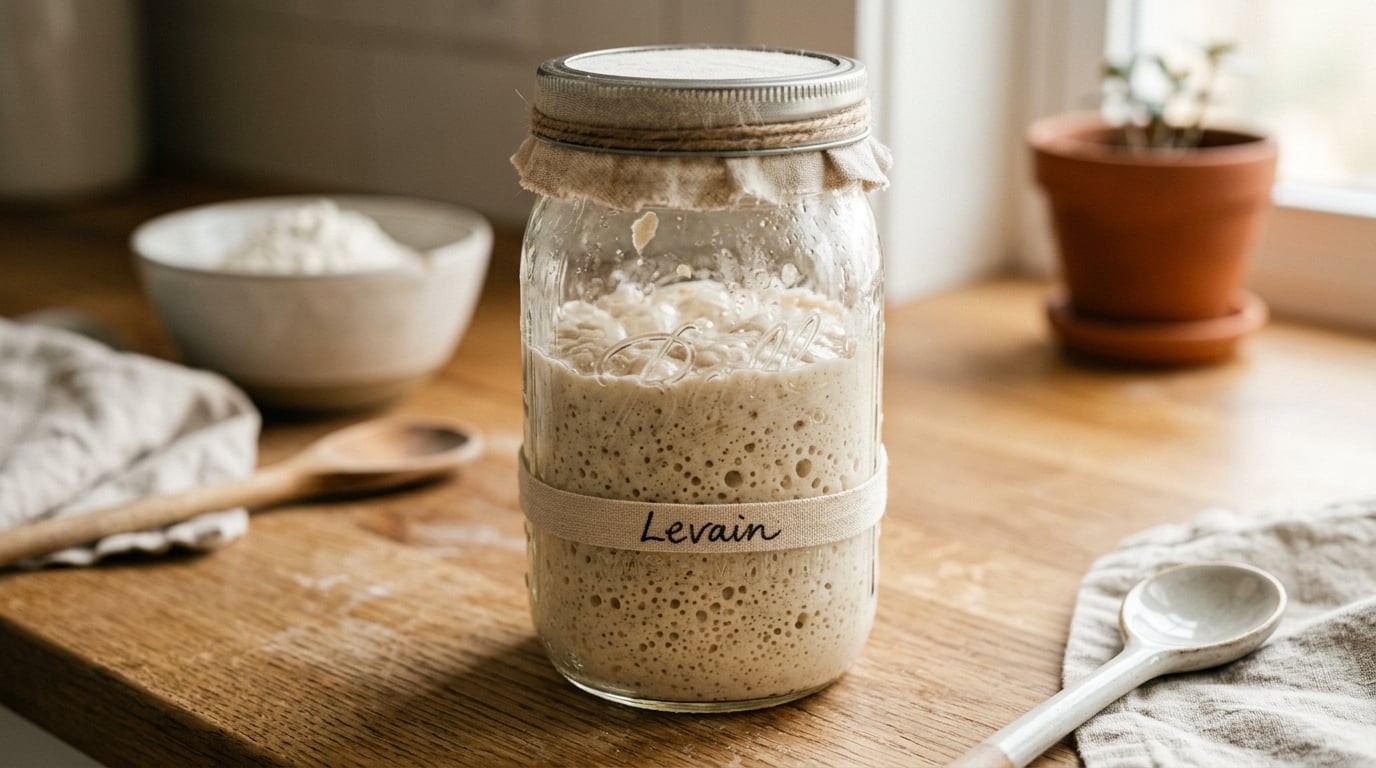 · ⏱ 9 min read
What Is Sourdough Starter? Beginner’s Guide
Read more →: What Is Sourdough Starter? Beginner’s GuideDiscover what sourdough starter is: a living blend of flour and water with wild…
-
 · ⏱ 9 min read
Franz Gluten Free Sourdough Ingredients: Full Breakdown
Read more →: Franz Gluten Free Sourdough Ingredients: Full BreakdownUnpack the Franz Gluten Free Sourdough ingredients list! Learn what’s inside, why each component…
-
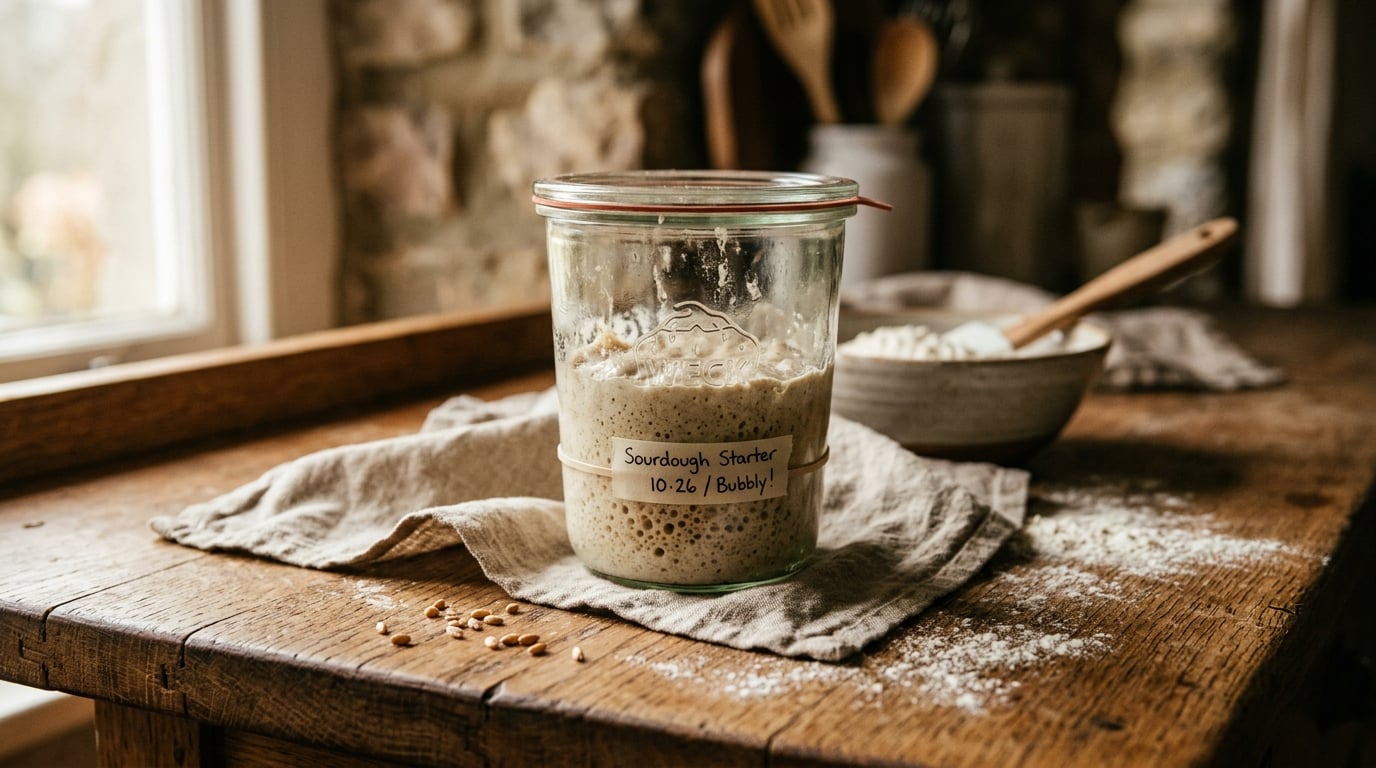 · ⏱ 10 min read
Sourdough Starter: Your Complete Guide to Using It
Read more →: Sourdough Starter: Your Complete Guide to Using ItUnlock the secrets of a healthy sourdough starter! Learn how to create, feed, maintain,…
-
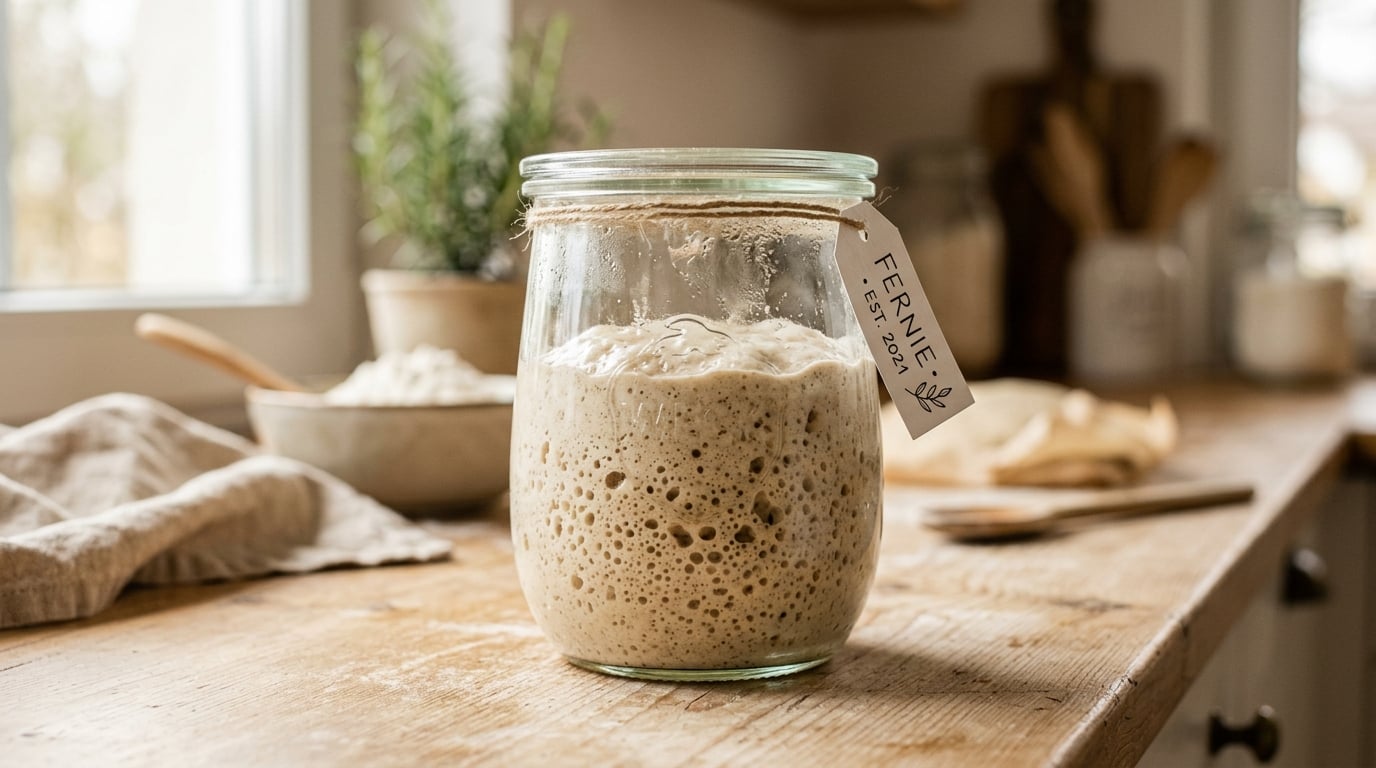 · ⏱ 11 min read
How to Make Sourdough Starter: Complete Beginner’s Guide
Read more →: How to Make Sourdough Starter: Complete Beginner’s GuideLearn how to make sourdough starter from scratch with a proven day-by-day schedule, troubleshooting…
-
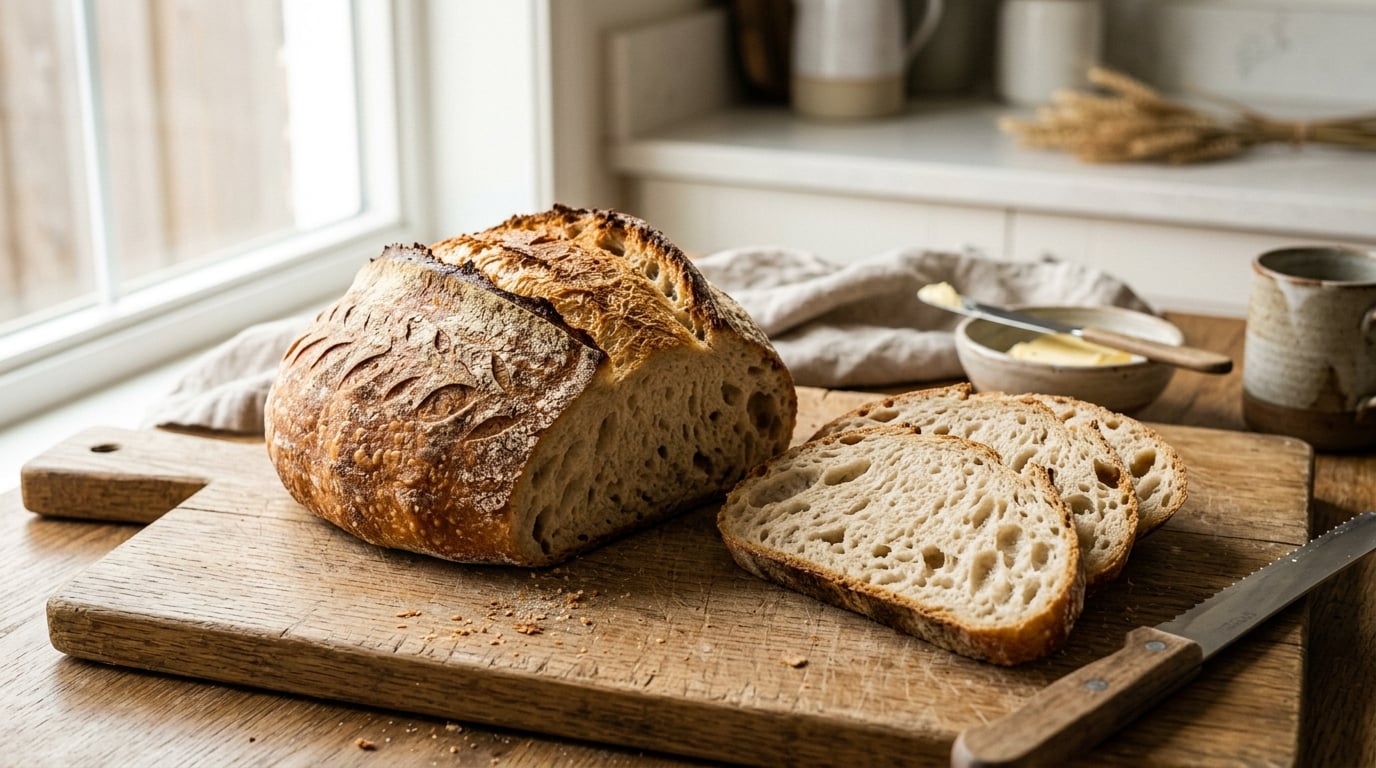 · ⏱ 11 min read
Is Sourdough Bread Good for Weight Loss? The Truth
Read more →: Is Sourdough Bread Good for Weight Loss? The TruthDiscover if sourdough bread is good for weight loss. Learn how its unique fermentation…
Start feeding your starter with confidence
Get straightforward feeding routines, troubleshooting help, and discard recipes to keep your starter healthy for good.