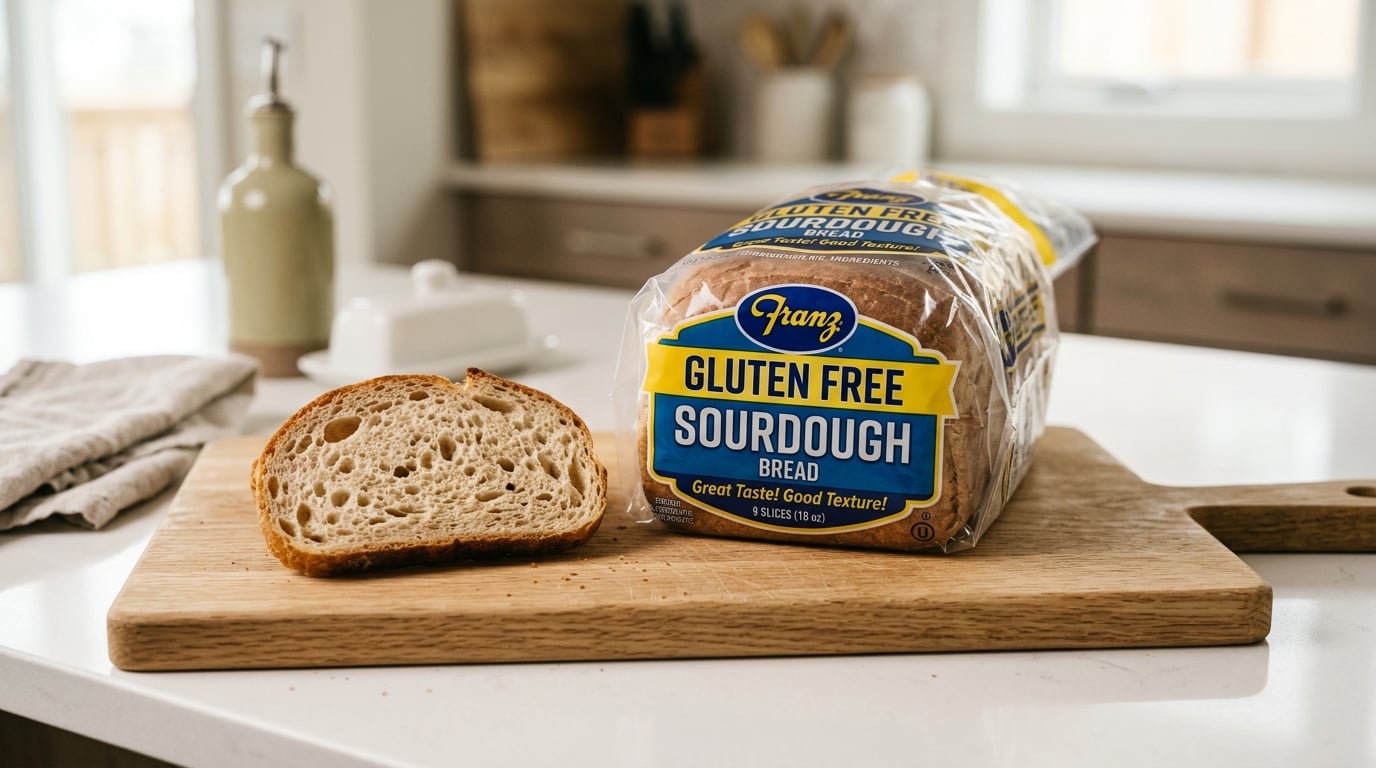
Franz Gluten-Free Sourdough: An In-Depth Review
If you've paused in the gluten-free freezer section, eyeing a loaf of Franz Gluten Free Sourdough and wondering if it truly justifies the premium price, you're not alone. The concise answer: it's a dependable, readily available choice that delivers authentic sourdough tang without gluten. However, it won't entirely replicate the experience of a crusty, artisan loaf from a traditional wheat bakery. Here, we'll delve into its ingredients, performance, and whether this Franz gluten-free sourdough deserves a permanent spot in your freezer.
- Understanding Franz Gluten-Free Sourdough: Production and Purity
- Ingredients Deep Dive: Authentic Starter or Flavor Engineering?
- Taste, Texture, and Comparison to Traditional Sourdough
- Nutritional Snapshot: Calories, Carbs, Fiber, and Allergens
- Availability and Pricing of Franz Gluten-Free Sourdough
- How It Stacks Up Against Other Gluten-Free Sourdough Brands
- Essential Tips for Toasting, Storing, and Serving
- Is Franz Gluten-Free Sourdough Worth It? Pros and Cons
Understanding Franz Gluten-Free Sourdough: Production and Purity
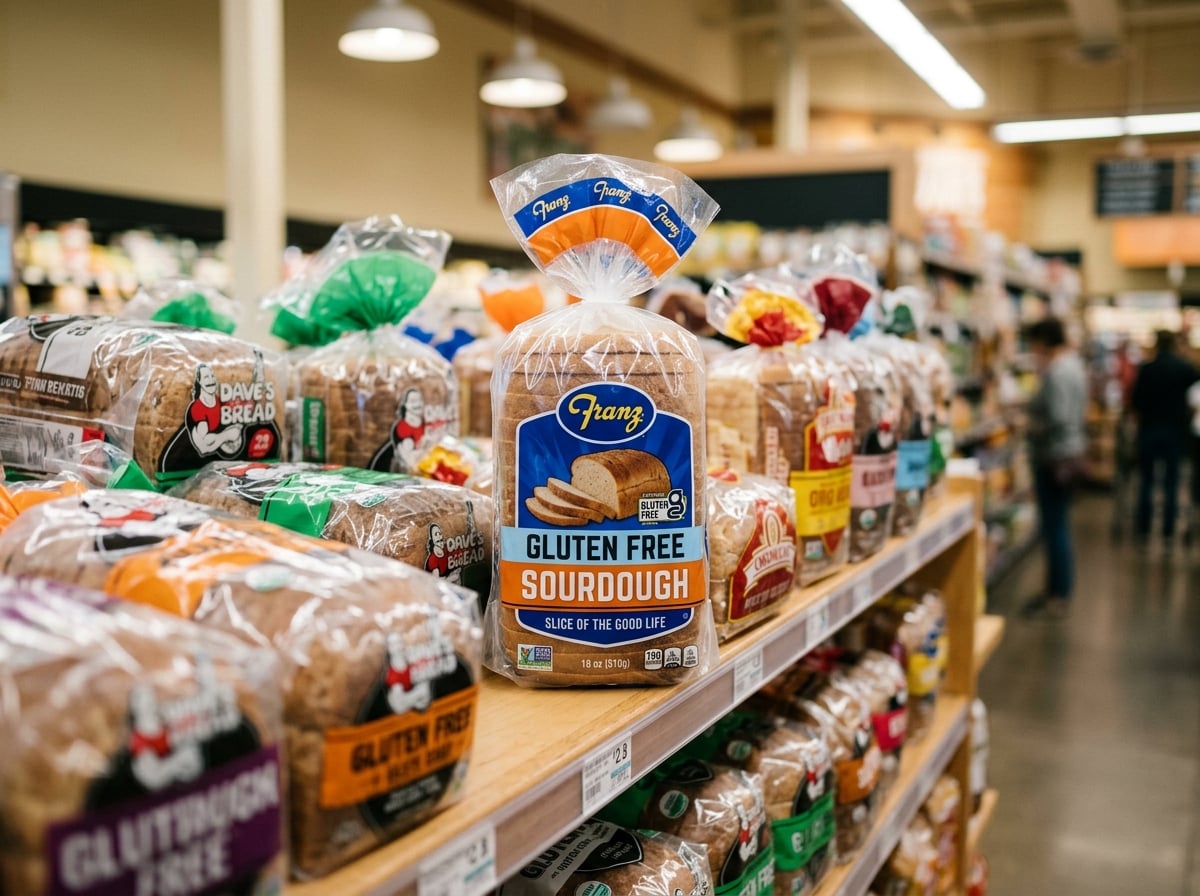
Franz, a bakery with roots in Portland, Oregon, dates back to 1906. As a significant regional player, their products are ubiquitous across Oregon, Washington, and Idaho. Over the past decade, they've strategically developed a dedicated gluten-free product line to compete with established brands like Udi's and Canyon Bakehouse.
Crucially, their gluten-free sourdough loaf is baked in a separate, dedicated gluten-free facility. This is a vital distinction for individuals managing celiac disease, beyond those with general gluten sensitivity. It's distributed frozen, a common practice for gluten-free breads, which typically lack the natural preservatives of wheat-based breads and can quickly become stale or moldy at room temperature.
The bread itself utilizes a rice-flour-based batter rather than a conventional wheat dough. Given that gluten-free flours cannot form the elastic gluten network characteristic of traditional sourdough's open crumb and chewy structure, the batter is thicker, resembling a cake batter more than a kneadable dough. Once baked in loaf pans, it's sliced and flash-frozen for distribution, ensuring freshness and safety.
Ingredients Deep Dive: Authentic Starter or Flavor Engineering?
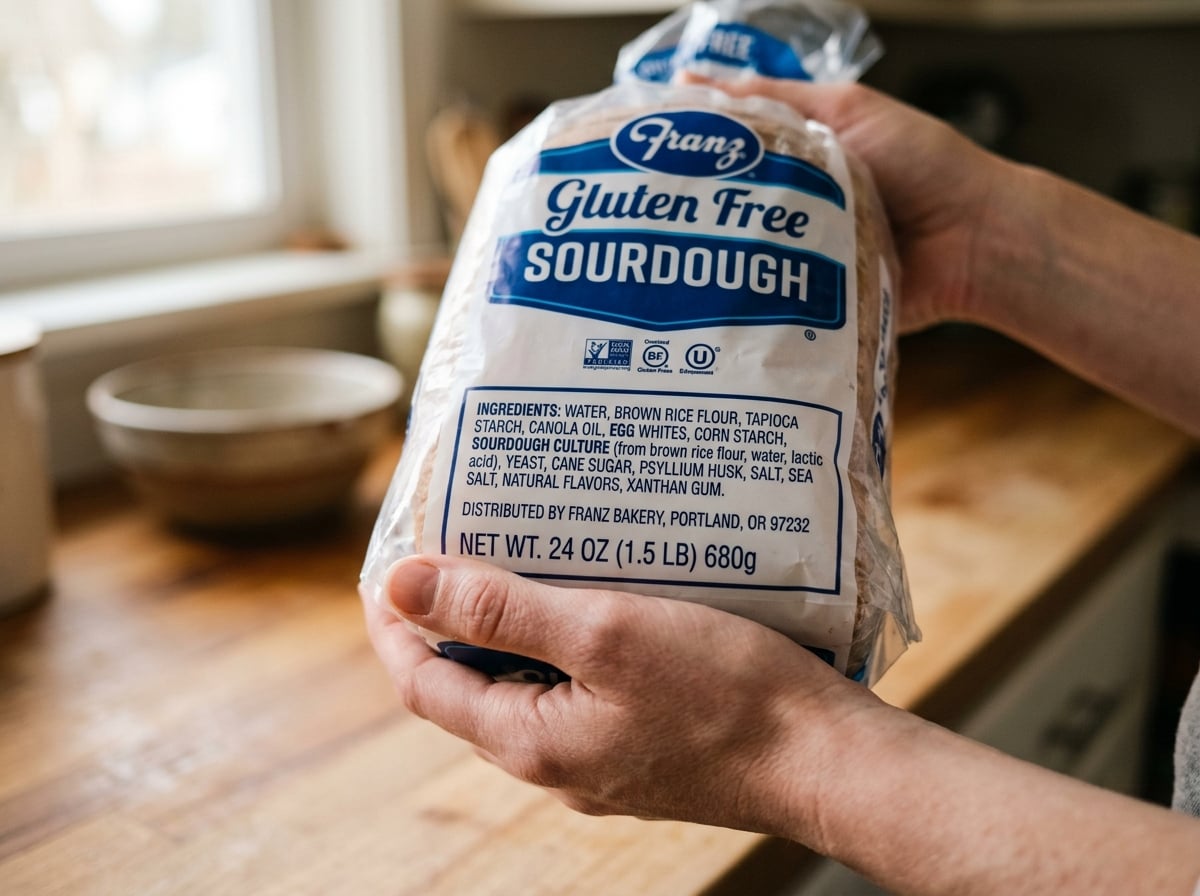
This is often the most pressing question for consumers, and rightly so, as the term "sourdough" can be quite loosely applied in the gluten-free bread market.
Franz's gluten-free sourdough doesn't rely on a live, continuously fed sourdough starter in the way an artisan bakery would. Instead, its distinctive tang primarily stems from a blend of:
- Cultured brown rice flour or similar fermented rice-based components, meticulously crafted to mimic the lactic acid tang of genuine sourdough fermentation.
- Vinegar or citric acid, directly added to achieve desired acidity levels.
- A foundational blend of gluten-free flours, typically including rice flour, tapioca starch, and potato starch, providing structural integrity.
- Xanthan gum, which effectively substitutes for gluten, imparting sufficient stretch and structure to the crumb, allowing it to hold together when sliced.
Therefore, it occupies a middle ground. It's not merely artificial flavoring applied to plain bread, but neither is it a slow-fermented, wild-yeast starter loaf. The acidity is authentic, though engineered for consistent results rather than cultivated through traditional methods. If deep, slow fermentation and wild yeast cultures are your priority, this product may not fully satisfy. However, if your primary goal is a palatable, sourdough-flavored bread that is safely gluten-free, it fulfills that need effectively.
Additional ingredients typically listed on the label include eggs (a common binder in gluten-free bread, making it non-vegan), sugar, yeast, salt, and a preservative package—such as vinegar-based preservatives or calcium propionate—to maintain shelf-stability once thawed. Always consult the most current packaging for precise details, as formulations can be adjusted. Franz gluten-free sourdough ingredients are carefully selected to provide both flavor and stability within the gluten-free framework.
Taste, Texture, and Comparison to Traditional Sourdough
It's important to approach gluten-free bread with realistic expectations. Traditional sourdough boasts a chewy, somewhat irregular crumb, a robust crust, and a profound tang developed through extended fermentation. Franz Gluten-Free Sourdough achieves approximately 60-70% of this experience, which is commendable within its category.
The tang is immediately discernible—it's notably tarter than most gluten-free "sandwich" breads and more akin to a mild sourdough than a plain white loaf. The crumb is soft, almost spongy, resembling a firm sandwich bread more than an artisan boule. There is no open, airy crumb structure here; gluten-free batters cannot support large air pockets without collapsing, so don't anticipate a rustic, holey interior.
Straight from the freezer or fridge, gluten-free bread often presents texture challenges, and this loaf is no exception. Untoasted, it can feel slightly gummy or dense, especially if not fully thawed. Toasting, however, transforms it considerably; it firms up, and the sourdough flavor becomes much more pronounced with heat.
Compared to wheat sourdough, the slice size is also smaller. Most gluten-free loaves, including this one, are typically smaller and lighter than standard wheat loaves because their structural integrity cannot support excessively tall or wide slices without crumbling.
Nutritional Snapshot: Calories, Carbs, Fiber, and Allergens
Nutritional information can vary with reformulations, so always consult the current label. However, typical values for Franz Gluten Free Sourdough per slice are approximately:
- Calories: 90-100
- Total carbohydrates: 18-20 grams
- Fiber: 1-2 grams, which is relatively low. Most gluten-free breads are fiber-deficient as rice and tapioca starches contain less fiber compared to whole wheat.
- Protein: 1-2 grams per slice, notably lower than wheat bread.
- Sodium: 170-200 mg per slice.
Regarding allergens, this product is genuinely gluten-free and wheat-free, certified safe for celiac consumption. However, it is not free of all common allergens. It contains eggs, and depending on the production batch, may be processed in a facility that also handles soy or dairy. If you manage multiple food allergies, always scrutinize the most current packaging rather than relying on outdated online ingredient lists, as formulations can change.
An honest observation: like many gluten-free breads, its fiber and protein content are less robust than a quality whole-grain wheat sourdough. If your motivation for choosing this bread is a nutritional upgrade rather than an allergen necessity, it's important to recognize it as an alternative, not a nutritional enhancement.
Availability and Pricing of Franz Gluten-Free Sourdough
Franz maintains robust distribution across the Pacific Northwest, appearing in major retailers like Fred Meyer, Safeway, QFC, WinCo, and Albertsons in Oregon, Washington, Idaho, and parts of California. Beyond this region, availability becomes more sporadic, though some larger national chains may carry it in their dedicated gluten-free freezer sections.
If local stores don't stock it, online platforms like Amazon and Thrive Market occasionally offer Franz gluten-free products. However, selection can be inconsistent, and shipping frozen bread isn't always practical or cost-effective for retailers or consumers.
Typical pricing for a loaf ranges from $6 to $7.50, positioning it competitively with—and sometimes slightly below—competitors such as Canyon Bakehouse or Udi's. Given that gluten-free bread generally costs two to three times more than a standard wheat loaf, this isn't a budget-friendly item, but its pricing is fair within its specific category.
How It Stacks Up Against Other Gluten-Free Sourdough Brands
Key competitors in the gluten-free sourdough market include Canyon Bakehouse Sourdough Style and, in some areas, smaller artisan gluten-free bakeries offering refrigerated or fresh-frozen loaves.
Canyon Bakehouse typically features a slightly softer, more sandwich-bread-like crumb and a milder tang. Some consumers prefer this for daily sandwiches due to its less assertive flavor. Franz, conversely, offers a more pronounced sourness, which is generally appreciated by fans of authentic sourdough, though it might be too intense for those seeking a neutral gluten-free bread.
Smaller-batch gluten-free bakeries, where accessible, often produce a superior product overall—closer to true fermentation, with a better crust and more complex flavor. However, these are typically more expensive, harder to locate, and frequently sold fresh rather than frozen, resulting in a shorter shelf life. For the majority of shoppers in standard grocery stores, Franz occupies a respectable middle tier: offering a more distinct sourdough flavor than generic mass-market gluten-free sandwich breads, yet not quite reaching the artisanal quality of a dedicated gluten-free bakery loaf.
Essential Tips for Toasting, Storing, and Serving
Optimizing your experience with Franz Gluten-Free Sourdough hinges on a few key practices:
- Maintain frozen storage until ready to use, and only thaw the quantity you intend to consume immediately. Gluten-free bread rapidly dries out and becomes crumbly once thawed. Removing just two slices at a time significantly helps preserve its quality.
- Toast directly from frozen. Most find this method yields the best texture, crisping the exterior while allowing the interior to steam into a soft, moist crumb. A double-cycle toast (two medium-setting runs) is often more effective than a single, longer cycle, as gluten-free bread tends to toast less evenly than wheat bread.
- Toasting is nearly mandatory for sandwiches. Untoasted slices can feel gummy and may not hold up well under the weight of fillings, particularly anything moist like tomatoes or mayonnaise-heavy salads. Once toasted, it provides a solid base for grilled cheese, avocado toast, or a basic turkey sandwich.
- Treat thawed bread like fresh bread with a limited shelf life—typically two to three days maximum before it begins to dry out or show signs of mold. This is due to its lower preservative content compared to shelf-stable wheat loaves.
Is Franz Gluten-Free Sourdough Worth It? Pros and Cons
For individuals with celiac disease or a genuine wheat sensitivity who specifically miss sourdough, Franz Gluten Free Sourdough stands out as one of the best widely available options, particularly if you reside in the Pacific Northwest where it's easily accessible and reasonably priced.
Pros:
- Distinctive sourdough tang, superior to many bland gluten-free sandwich breads.
- Produced in a dedicated gluten-free facility, ensuring safety from cross-contamination.
- Competitively priced within the gluten-free bread category.
- Strong regional availability in the Pacific Northwest.
- Toasts exceptionally well, improving texture and flavor.
Cons:
- Can be dense and slightly gummy if eaten untoasted.
- Lower in fiber and protein compared to traditional wheat sourdough.
- Contains eggs, making it unsuitable for vegan diets.
- Availability can be sporadic outside the West Coast.
- Does not fully replicate the crust and open crumb structure of authentic wheat sourdough.
Our Honest Take: If gluten-free bread is a medical necessity, this is a highly recommended purchase. It's one of the more flavorful options on the shelf and offers fair value. However, if you are gluten-free by choice and comparing it to true bakery sourdough, manage your expectations; it's a good, tangy sandwich bread that happens to be safe for your dietary needs, not an exact replica.
Leave a Reply