
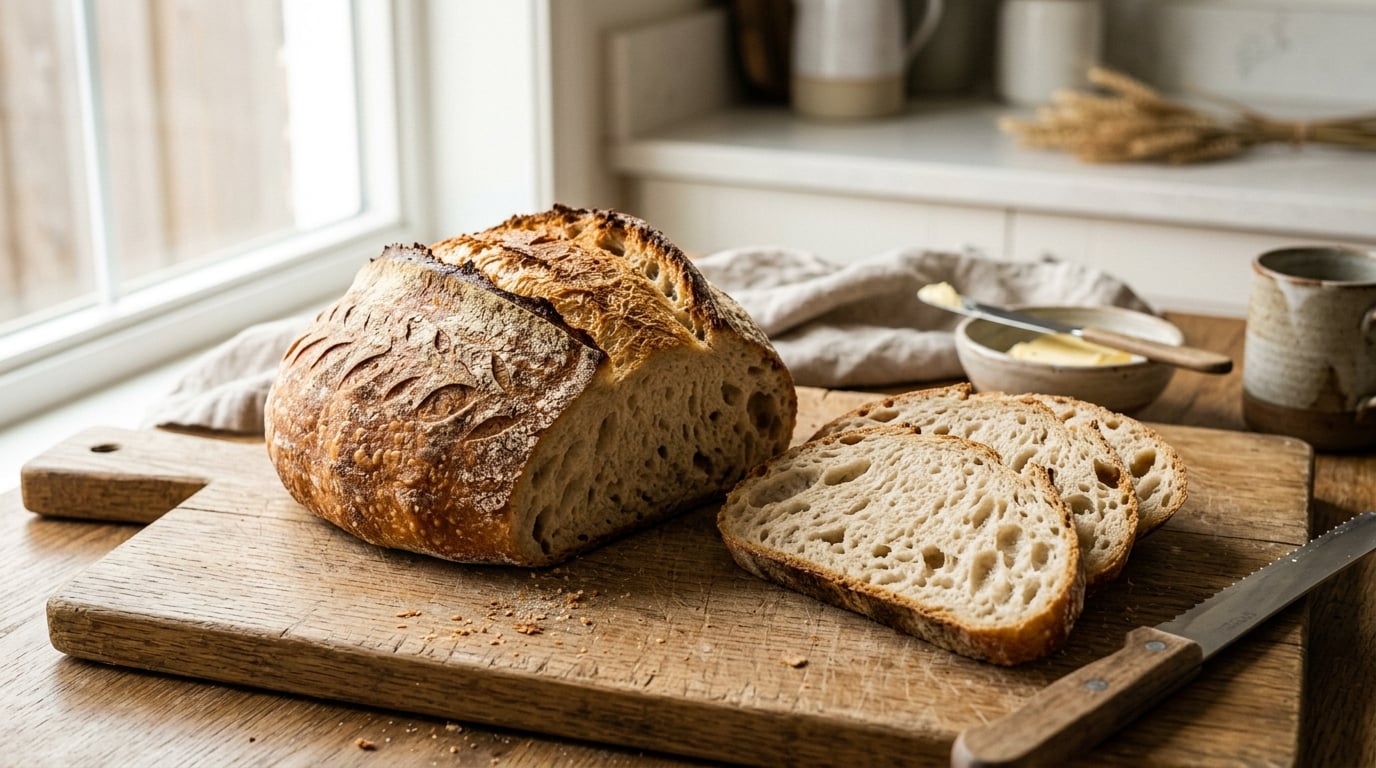
Is Sourdough Bread Good for Weight Loss? An In-Depth Guide
Sourdough bread can support weight loss better than most commercial breads, but it's not a magic slimming food. While its calories are nearly identical to regular bread, the real benefit of sourdough bread good for weight loss comes from how it affects blood sugar, fullness, and digestion. If you're swapping white bread for sourdough and eating it in reasonable portions alongside protein and vegetables, you're likely to see better appetite control and fewer energy crashes. But if you're eating half a loaf slathered in butter because it "sounds healthy," you'll gain weight just like you would with any other bread.
Let's break down what's actually happening nutritionally, because the details matter more than the marketing.
- Understanding Sourdough: What Makes It Nutritionally Different?
- Fermentation, Blood Sugar, and Satiety: Key to Weight Management
- Sourdough Calorie and Macronutrient Comparison: Is Sourdough Bread Good for Weight Loss from a Calorie Standpoint?
- Does the Lower Glycemic Index Truly Aid Fat Loss?
- Gut Bacteria, Prebiotics, and Weight Management
- Portion Control: How Much Sourdough Can You Eat for Weight Loss?
- Pairing Sourdough for a Filling, Balanced Meal
- Common Mistakes: Sourdough Isn't Automatically a Diet Food
- What the Research Actually Says About Sourdough and Weight Loss
- Final Verdict: Is Sourdough Bread Good for Weight Loss?
Understanding Sourdough: What Makes It Nutritionally Different?
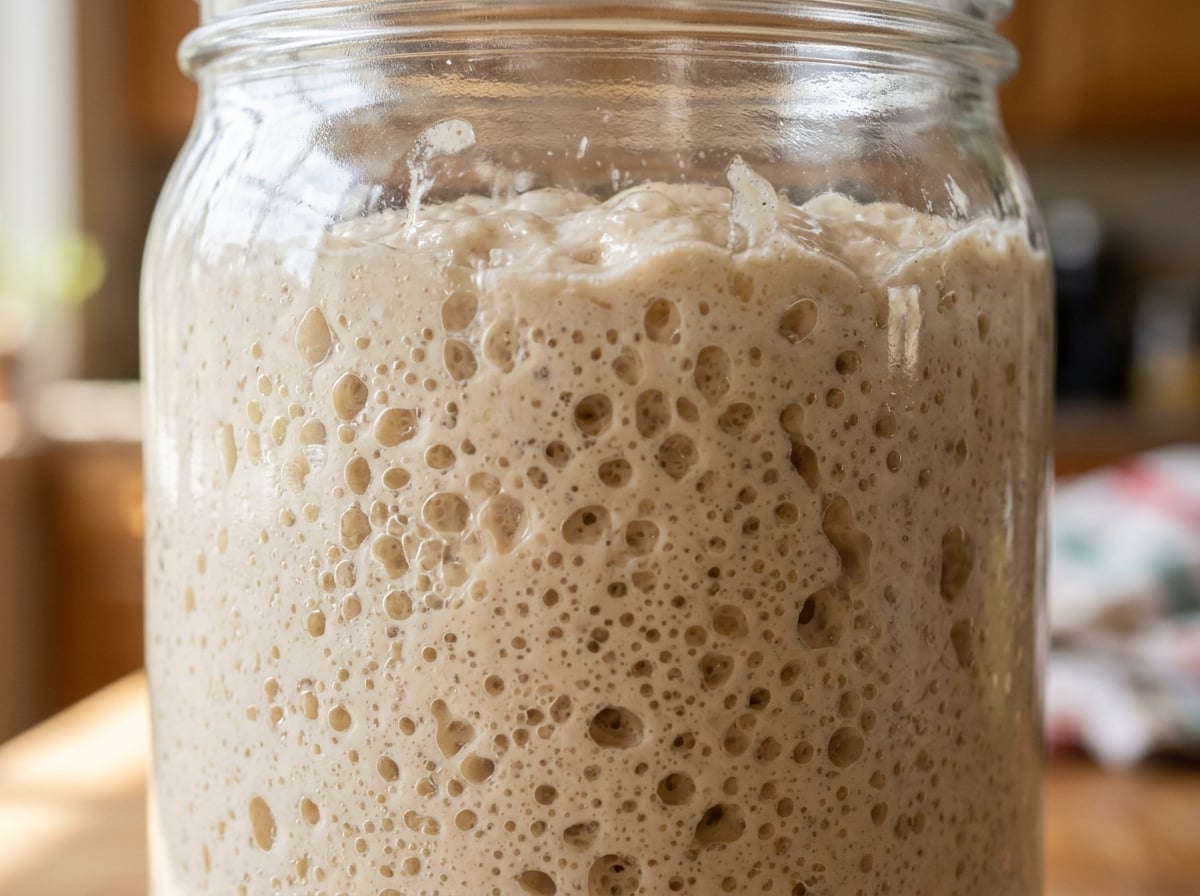
Sourdough isn't a specific recipe; it's a method. Instead of using commercial yeast to leaven the dough quickly, sourdough relies on a "starter": a living culture of wild yeast and lactic acid bacteria that ferments the flour slowly, often over 12 to 48 hours. If you're interested in making your own, check out Sourdough Bread: The Complete Guide to Baking It at Home for a comprehensive overview.
That long fermentation changes the bread in three meaningful ways that contribute to whether sourdough bread is good for weight loss:
- Partial Gluten Breakdown: The bacteria produce enzymes that degrade some of the gluten proteins during fermentation. Sourdough isn't gluten-free and isn't safe for celiac disease, but many people with mild gluten sensitivity report it sits easier in their stomachs. For those exploring gluten-free options, articles like Franz Gluten Free Sourdough: What You Need to Know might be of interest.
- Reduced Phytic Acid: Phytic acid, found in whole grains, binds minerals like iron, zinc, and magnesium, making them harder to absorb. Fermentation lowers phytate levels significantly, which is part of why sourdough is often described as more "nutrient-available" than a quick-rise whole wheat loaf.
- Lowered Glycemic Index (GI): This is the big one for weight management, and it's worth its own section.
The texture and structure also differ. The acids produced during fermentation strengthen the gluten network in a way that traps gas differently, giving sourdough that dense, chewy crumb and thick crust — which, incidentally, also slows down how fast you eat it.
Fermentation, Blood Sugar, and Satiety: Key to Weight Management

Here's the mechanism that actually matters for weight control when considering sourdough bread for weight loss. During the long fermentation, lactic acid bacteria produce organic acids—mainly lactic and acetic acid—that slow gastric emptying and blunt the speed at which starches break down into glucose once you eat the bread.
Studies measuring glycemic response have found sourdough produces a lower and slower blood sugar spike compared to bread made with commercial yeast, even when the flour used is identical. One frequently cited study from Sweden found that the organic acid content of sourdough—not the fiber, not the fermentation time itself—was the main driver of this blunted glycemic response.
Why does this matter for fat loss? A slower glucose spike means a slower, smaller insulin response. Sharp insulin spikes followed by rapid drops are part of what triggers hunger and cravings an hour or two after eating. Bread that digests more gradually tends to keep you satisfied longer, which indirectly supports eating less throughout the day.
This doesn't mean sourdough is a low-carb food—it isn't—but it means the carbs it contains are processed by your body in a gentler, more forgiving way than a fluffy white sandwich loaf.
Sourdough Calorie and Macronutrient Comparison: Is Sourdough Bread Good for Weight Loss from a Calorie Standpoint?
People often assume sourdough must be dramatically lower in calories than regular bread. It isn't. Here's a realistic comparison per typical 1-ounce (28g) slice:
- White bread: ~75-80 calories, 15g carbs, 2-3g protein, under 1g fiber
- Whole wheat bread: ~70-80 calories, 12-13g carbs, 3-4g protein, 2g fiber
- Sourdough (white flour): ~80-90 calories, 15-17g carbs, 3-4g protein, 1-1.5g fiber
- Sourdough (whole wheat or rye-based): ~85-95 calories, 14-16g carbs, 4-5g protein, 2-3g fiber
Notice that plain white-flour sourdough isn't lower in calories than white bread; sometimes it's slightly higher because the flour is denser per slice. Whole grain or rye sourdough tends to edge out both in fiber and protein, which is the version worth seeking out if weight loss is the goal.
The takeaway: don't buy sourdough expecting a calorie discount. Buy it for the metabolic response and the fact that a good loaf tends to be more filling per slice, so you naturally eat less of it. This is why many find sourdough bread good for weight loss from a satiety perspective rather than a caloric one.
Does the Lower Glycemic Index Truly Aid Fat Loss?
This is where we need to be honest instead of just repeating popular claims. A lower glycemic index does not directly burn fat. There's no metabolic switch that flips because you avoided a blood sugar spike. What the lower GI does is indirect but real:
- It reduces the likelihood of a hunger rebound 90 minutes after eating, which is a common trigger for snacking or overeating at the next meal.
- It's gentler for people managing insulin resistance or prediabetes, where blood sugar swings make appetite regulation harder.
- It tends to pair with better subjective fullness scores in studies comparing fermented versus non-fermented bread, even at matched calorie levels.
So the honest answer is: sourdough supports the conditions that make fat loss easier—steadier energy, less reactive hunger—without being a direct fat-burning food. If you eat too many calories overall, sourdough's GI advantage won't save you. If you're already eating at a modest deficit, sourdough makes sticking to that deficit more comfortable, making it a valuable component if you're asking is sourdough bread good for weight loss.
Gut Bacteria, Prebiotics, and Weight Management
Sourdough fermentation produces some short-chain fatty acids and leaves behind metabolic byproducts that may have a mild prebiotic-like effect, feeding beneficial gut bacteria. This is an area where the research is promising but still developing—most robust prebiotic effects come from fiber-rich foods like legumes, oats, and vegetables, not bread.
That said, there's a reasonable, non-hyped case for sourdough's gut benefit:
The bacterial fermentation process appears to modestly improve mineral absorption and may ease bloating for some people compared to bread made with commercial yeast, since much of the "food" for gas-producing gut bacteria is broken down before you even eat it. Better digestion and less bloating won't show up as pounds lost, but they can make you feel less puffy and more comfortable, which matters if you're tracking progress by how your clothes fit rather than just the scale.
I wouldn't lean on sourdough as your sole gut-health strategy. Think of it as a bread that's less likely to cause digestive discomfort than a mass-produced loaf, not a probiotic supplement.
Portion Control: How Much Sourdough Can You Eat for Weight Loss?
A realistic target for most people trying to lose weight is 1-2 slices per meal, roughly 2-4 slices total per day, depending on your calorie budget and activity level. At around 85 calories a slice, two slices at breakfast and two at lunch adds up to 340 calories—a substantial but manageable chunk of a 1,500-1,800 calorie day.
Practical guidelines that work in real life:
- Weigh a few slices from your loaf once so you know your actual per-slice calorie count—artisan sourdough loaves vary wildly in slice thickness, and a "slice" at a bakery can be 2-3 times the size of a packaged sandwich slice. For those baking at home, How to Bake Sourdough Bread: A Step-by-Step Guide offers useful tips.
- Skip the butter-and-jam habit. A tablespoon of butter alone adds 100+ calories, often more than the bread itself.
- If you're having sourdough toast, treat it as the carb component of the plate, not the whole meal—pile on protein and vegetables rather than more bread.
- Avoid the "artisan loaf trap": a crusty round loaf from a bakery can pack 900-1,200 calories total, and it's shockingly easy to eat a quarter of it in one sitting because it's so good. Even specialty loaves like those mentioned in Costco Blueberry Sourdough Bread: What You Need to Know require portion awareness.
Pairing Sourdough for a Filling, Balanced Meal
The single best thing you can do to make sourdough work for weight loss is to never eat it alone. Pairing it with protein and fat slows digestion further and stretches out satiety even more than the fermentation already does.
Some combinations that actually keep people full for 3-4 hours:
- Two eggs plus avocado on one slice of whole grain sourdough toast
- Sourdough with cottage cheese, sliced tomato, and a drizzle of olive oil
- A thick slice as the side to a bean and vegetable soup, rather than a stand-alone snack
- Open-faced sourdough sandwich with turkey, hummus, and greens—using one slice instead of two cuts calories without sacrificing the sandwich experience
The fiber-plus-protein combination is what actually regulates appetite. The bread's fermentation gives you a head start, but it's not a substitute for building a balanced plate. This approach clarifies how sourdough bread is good for weight loss when integrated wisely into your diet.
Common Mistakes: Sourdough Isn't Automatically a Diet Food
I see three mistakes constantly when people consider sourdough bread for weight loss:
1. Assuming "sourdough" on a label means traditionally fermented. Many grocery store loaves labeled sourdough are made quickly with commercial yeast and a small amount of sourdough flavoring or vinegar added for taste. They skip the actual 12+ hour fermentation and don't offer the same glycemic benefits. Check the ingredient list—a real sourdough should list a "starter" or "levain" and have a short ingredient list: flour, water, salt, starter.
2. Eating more because it "feels healthier." This is the classic health-halo trap—the same thing that happens with granola or trail mix. People give themselves permission to eat three slices instead of one because sourdough sounds virtuous.
3. Ignoring toppings. Sourdough with cream cheese, honey, and a thick layer of jam has erased any metabolic advantage before you've finished chewing.
What the Research Actually Says About Sourdough and Weight Loss
The evidence base is smaller than the hype suggests, but it's not nothing.
A study published in the European Journal of Clinical Nutrition compared glycemic responses to sourdough versus straight-dough bread and found meaningfully lower post-meal glucose and insulin responses with sourdough, attributing it to the organic acid content produced during fermentation rather than fiber differences.
Research out of Finland and other Nordic countries—where rye sourdough is a dietary staple—has associated regular sourdough rye consumption with improved insulin sensitivity markers over time, though these studies often can't fully separate the effect of sourdough fermentation from the effect of rye's naturally higher fiber content.
A smaller crossover study looking at subjective fullness ratings found participants reported feeling fuller for longer after sourdough compared to a calorie-matched portion of standard white bread, correlating with the slower glucose release.
What's missing is large-scale, long-term weight loss trials specifically isolating sourdough as an intervention. Most of what we know comes from short-term glycemic and satiety studies, not multi-month body composition trials. So claims like "sourdough burns fat" or "sourdough resets your metabolism" go well beyond what the data supports when asking is sourdough bread good for weight loss.
Final Verdict: Is Sourdough Bread Good for Weight Loss?
Sourdough is a smart substitution, not a weight loss solution on its own. Swapping your regular sandwich bread for a genuinely fermented, ideally whole grain or rye sourdough gives you a steadier blood sugar response, a bit more fullness per slice, and easier digestion for many people—all of which make it simpler to stay in a calorie deficit without feeling deprived or hungry. This answers the question: is sourdough bread good for weight loss in a nuanced way.
But the calories are close enough to regular bread that portion size and toppings still decide the outcome. My honest recommendation: choose real sourdough over commercial white bread whenever you can, keep it to 2-4 slices a day depending on your calorie needs, pair it with protein and vegetables, and stop expecting the fermentation alone to do the work that a calorie deficit actually has to do.
Leave a Reply