
Is Sourdough Bread Worth It in 2026? A Comprehensive Review
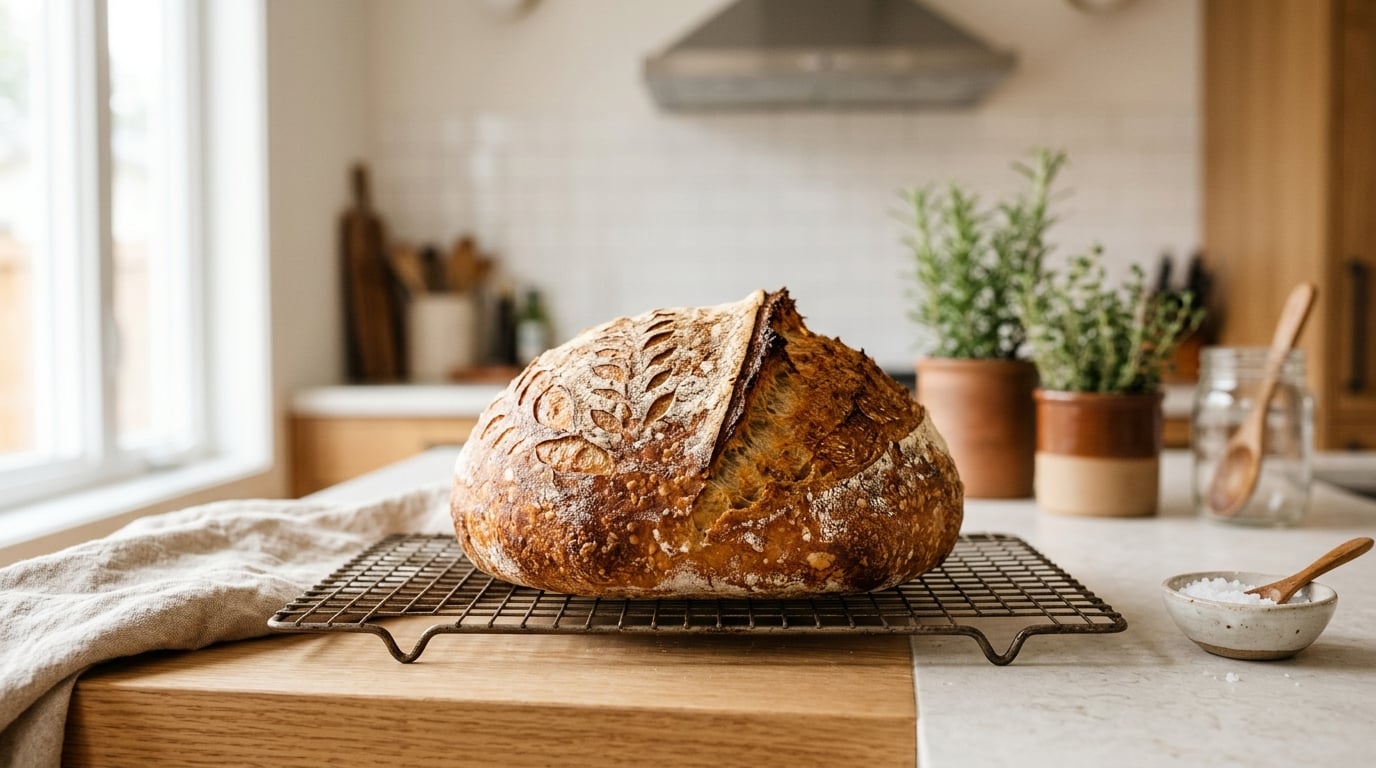
Is sourdough bread worth it in 2026? The short answer is yes, particularly if you prioritize exceptional flavor, enhanced digestibility, and precise control over your ingredients, and are willing to dedicate the necessary time. This typically involves an estimated 15-20 minutes of active preparation spread across 12-24 hours of fermentation per loaf. Conversely, it may not be worth it if your primary concern is speed and low cost, or if you prefer a bread-making process without a significant learning curve. A standard grocery store loaf typically costs $3-4, whereas developing a consistent sourdough baking habit requires more of your time than it does direct monetary investment. Ultimately, the decision of whether sourdough bread is worth it hinges on whether you're optimizing for convenience or for quality. Sourdough rarely excels in the former but almost always delivers on the latter.
My perspective on this comes from years of hands-on experience, having baked sourdough on and off since 2019. This includes the inevitable challenges, such as neglecting two starters to their demise, and currently maintaining a vibrant one in my fridge with a feeding schedule of roughly twice a week. This review is grounded in practical application, not theoretical perfection or the idealized, always-successful scenarios often depicted in recipe blogs.
- Defining "Worth It": What Are We Evaluating?
- The Time Commitment: Homemade Sourdough vs. Store-Bought Bread
- Nutritional Value and Digestibility: Where the Effort Yields Rewards
- Cost Analysis: Homemade vs. Bakery vs. Grocery Store
- Who Benefits Most from Baking Sourdough?
- The Verdict for Sourdough Bread in 2026
- Frequently Asked Questions
Defining "Worth It": What Are We Evaluating?
To accurately address whether sourdough is worth it, it's crucial to first define what aspects of "worth" are being considered, as this varies greatly among individuals.
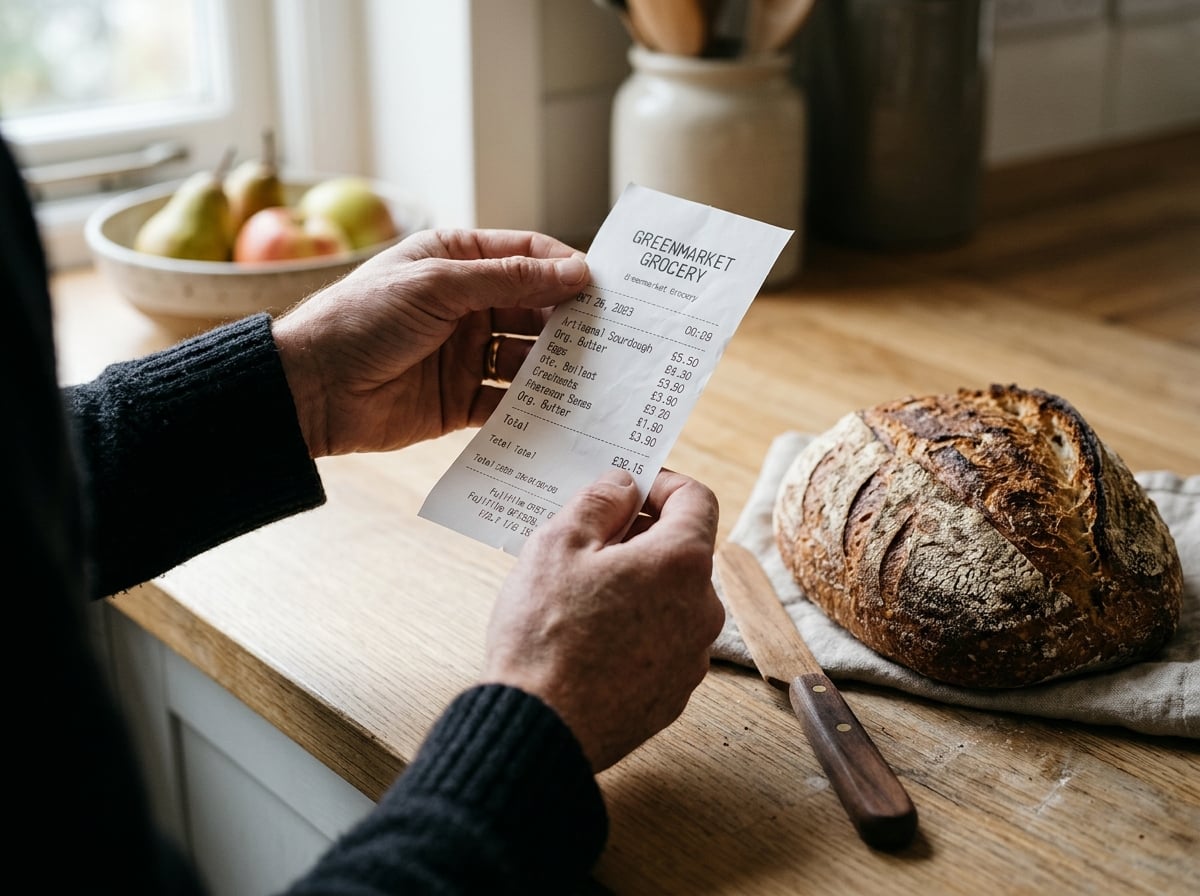
Some individuals are primarily interested in cost-effectiveness — is baking sourdough at home cheaper than purchasing bread? Others focus on the time investment — how much personal time does this commitment consume? A significant group is also concerned with health benefits, seeking to understand if the fermentation process genuinely offers the digestive and nutritional advantages frequently discussed online. And, of course, many simply want to know if the taste surpasses that of commercially produced bread.
The candid assessment is that sourdough is a clear winner in terms of taste and offers moderate benefits for health. It is less efficient when measured purely by time, and its cost-effectiveness is roughly comparable, depending on how you value your own labor. Treating "worth it" as a singular, universal verdict overlooks these nuances. Its value is subjective, aligning with specific goals over others. Furthermore, in 2026, factors such as increased flour prices and higher energy costs have subtly altered the economic calculations compared to five years prior.
The Time Commitment: Homemade Sourdough vs. Store-Bought Bread
This is the area where homemade sourdough faces its greatest challenge against store-bought alternatives, and any claim to the contrary is likely misleading.
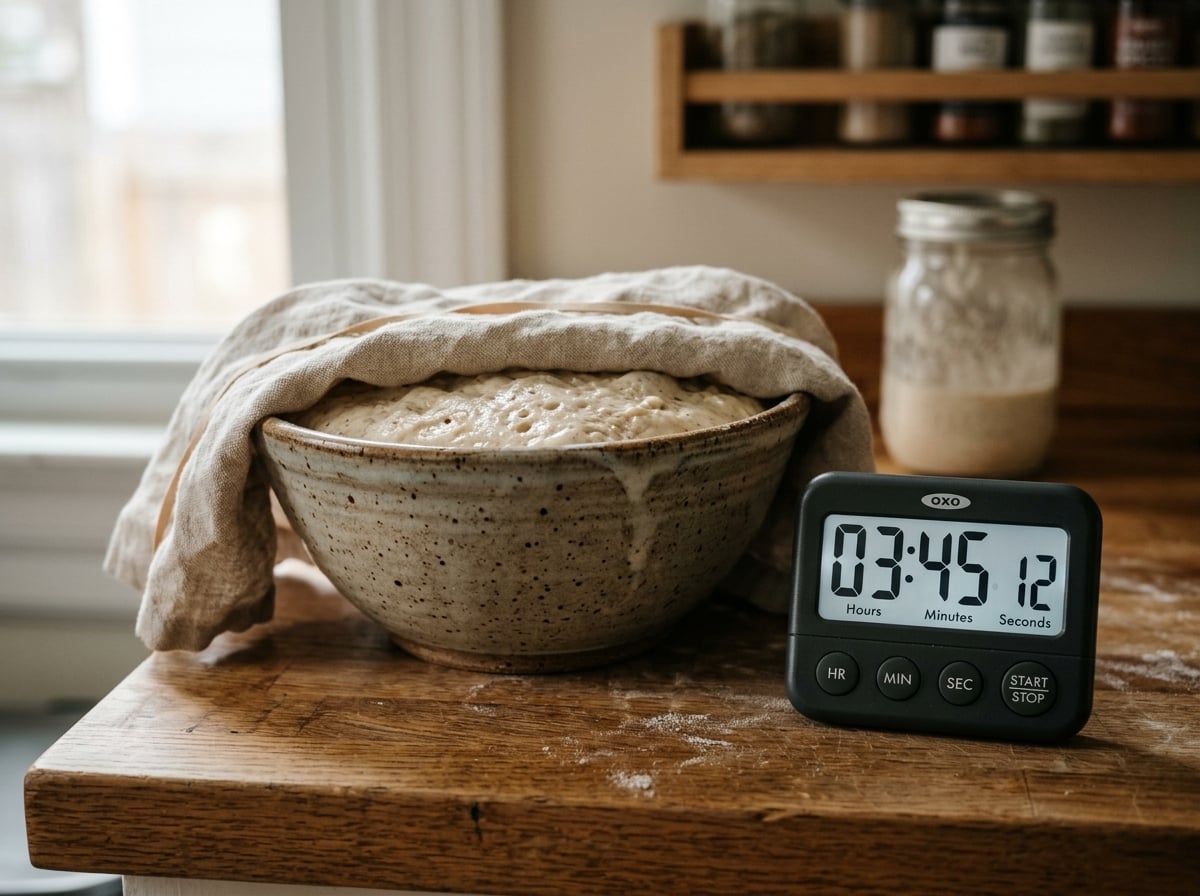
Purchasing a loaf of bread from the grocery store requires virtually no time beyond the trip itself. Sourdough, even when employing the most efficient methods, necessitates a multi-stage process that typically spans a day and a half, including the essential starter maintenance.
Here's a realistic breakdown of the timeline for producing a single loaf of sourdough, from preparing your sourdough starter to the finished product emerging from the oven:
| Stage | Active Time | Passive Wait Time |
|---|---|---|
| Feed starter | 5 min | 4-8 hours |
| Mix dough (autolyse + levain) | 15 min | 30 min |
| Bulk fermentation with folds | 15-20 min total | 4-6 hours |
| Shape loaf | 10 min | — |
| Cold proof (fridge) | 2 min | 12-18 hours |
| Bake | 5 min | 45-50 min |
In total, you're looking at under an hour of genuine hands-on work. However, the overall elapsed time from the initial starter feed to a fully baked loaf is typically between 24 and 30 hours. This extended timeline is often underestimated by newcomers; it's less about the physical labor and more about the intricate scheduling. You cannot begin sourdough preparation at 6 PM and expect it to be ready for dinner that same evening. The process demands planning two days in advance, which represents a lifestyle adjustment rather than merely acquiring a new cooking skill.
When it comes to pure convenience, store-bought bread is the undisputed victor. If your weekly schedule is already demanding, incorporating sourdough baking can become a source of stress rather than an enjoyable hobby. Many beginners abandon the practice within the first couple of months for precisely this reason – not due to the quality of the bread, but because the two-day rhythm doesn't align with their existing commitments.
Nutritional Value and Digestibility: Where the Effort Yields Rewards
This is the category where sourdough truly lives up to its health claims, though it's important to note that online assertions sometimes exaggerate the scientific evidence.
The extended fermentation process significantly breaks down phytic acid present in flour. This makes minerals such as iron, zinc, and magnesium more bioavailable compared to rapidly risen breads. Scientific studies, including research published in reputable food science journals focusing on phytate degradation, consistently demonstrate a meaningful reduction – often 50% or more – contingent on the fermentation duration and the activity level of the starter.
The lactic acid bacteria inherent in a mature sourdough starter also contribute to the partial breakdown of gluten structures and FODMAPs during the prolonged fermentation. This is why some individuals with mild gluten sensitivity (it's crucial to note this does not apply to celiac disease, which is a severe autoimmune condition for which sourdough is not a safe alternative) report better tolerance for sourdough bread than for conventional commercial bread. While not a universal experience, this is a real and reproducible effect directly linked to the fermentation time, beyond just the presence of a starter.
In contrast, commercial bread is typically proofed for less than two hours using commercial yeast, which does not allow sufficient time for these extensive breakdown processes to occur. Additionally, commercial breads often contain added sugars, dough conditioners, and preservatives designed to extend shelf life – ingredients that a basic homemade sourdough loaf (comprising only flour, water, salt, and sourdough starter) simply doesn't require.
An important caveat: not all "sourdough" sold in grocery stores is genuine, long-fermented sourdough. Many products labeled as such are conventional breads enhanced with sourdough flavoring or a small percentage of starter for taste, baked using standard, rapid methods. If you are specifically seeking sourdough for its digestive benefits, carefully examine the ingredient list. If you see commercial yeast listed alongside "sourdough culture," you are likely getting only the flavor profile, not the full benefits of extended fermentation.
Cost Analysis: Homemade vs. Bakery vs. Grocery Store
The financial aspect is often where people expect a clear winner or loser, but the reality is often more balanced than commonly assumed.
Homemade sourdough costs approximately $0.80 to $1.50 per loaf in ingredients, assuming you are already maintaining a healthy sourdough starter and using standard bread flour. This is genuinely inexpensive. However, this calculation often overlooks the opportunity cost of your time, the inevitable waste of flour during the learning phase (which is a certainty for beginners), and the energy cost of operating an oven at 450-500°F for nearly an hour per bake. In many U.S. markets in 2026, this energy cost can add another $0.40-0.60 per loaf, depending on whether you use gas or electric.
Artisan bakery sourdough typically ranges from $7 to $12 for a comparable loaf in most mid-sized U.S. cities. In larger metropolitan areas like San Francisco or New York, a high-quality bakery loaf can even reach $14-16. With bakery-bought sourdough, you are paying for the baker's expertise, true long fermentation, and often superior quality flour than you might purchase for home use.
Grocery store bread, whether labeled sourdough or not, usually falls within the $3.50-$5.50 range for a product that may or may not have undergone genuine long fermentation.
Therefore, a realistic financial comparison looks like this:
- Homemade: The cheapest per loaf, but requires an initial investment in equipment such as a Dutch oven or baking stone, a kitchen scale, and proofing baskets, which can cost $60-120 if you're starting from scratch.
- Artisan Bakery: The most expensive per loaf, but requires zero time investment from you and generally offers the best and most consistent product.
- Grocery Store: The cheapest overall, but typically offers the lowest quality and is often not a truly fermented sourdough.
If you commit to baking once a week, the initial equipment cost can be amortized within two to three months when compared to regularly buying artisan bakery loaves. However, if you bake sporadically, you might never recoup this initial investment, making purchasing from a good bakery arguably the more financially sensible option.
Who Benefits Most from Baking Sourdough?
Let's be direct about who truly finds sourdough worthwhile.
Baking sourdough is worth it if you already enjoy cooking regularly, appreciate hands-on kitchen projects, and have a schedule that can accommodate multi-day planning rather than instant gratification. It's particularly beneficial if you experience digestive discomfort with regular bread and wish to investigate whether the fermentation process provides relief – many individuals find that it does. It's also a rewarding endeavor if you simply prefer the superior taste of artisan bakery bread and desire to achieve that quality at home without the premium price tag.
Conversely, it is not worth it if your kitchen time is already maximized, if you frequently need bread on the same day without prior planning, or if you've repeatedly struggled to maintain a starter due to forgetfulness. Such experiences indicate that your current routine may not support the demands of sourdough baking, and that's perfectly acceptable. In such cases, purchasing a high-quality loaf from a local bakery once a week can provide 80% of the benefits without any of the maintenance burden.
It's also crucial to reiterate that sourdough is not suitable for individuals managing celiac disease. While sourdough fermentation reduces gluten content, it does not eliminate it to a safe level for celiac patients, despite certain unsubstantiated claims circulating online.
The Verdict for Sourdough Bread in 2026
Is sourdough bread worth it in 2026? It is unequivocally worth it for individuals who are prepared to exchange planning time for a superior taste experience, enhanced digestibility, and greater control over the ingredients in their food. However, it is not a practical choice if your primary motivators are pure convenience or maximizing cost savings. On those two fronts, conventional grocery store bread is a clear winner, and even artisan bakery sourdough often surpasses homemade options when considering the pure time-value equation.
My actual recommendation: if you're on the fence about whether sourdough bread is worth it in 2026, don't immediately commit to daily baking. Instead, acquire a starter (or receive one from a friend; they are incredibly resilient if properly maintained) and commit to baking one loaf per week for a trial period of one month. This duration is usually sufficient to move past the initial frustrations – dense loaves, over-proofed dough, a starter that seems "off" – without a significant sunk cost in terms of months of practice. If, by the fourth week, you still anticipate your baking day with enthusiasm, you've found your answer. If it consistently feels like a chore, then buying your loaves from a reputable bakery is a perfectly valid alternative, allowing you to dedicate your kitchen time to activities that don't demand two days of advance notice.
Frequently Asked Questions
Is sourdough bread healthier than regular bread?
Sourdough bread is generally considered healthier due to its long fermentation process. This process breaks down phytic acid, making minerals more bioavailable, and partially breaks down gluten and FODMAPs, which can improve digestibility for some individuals. It also typically avoids the additives found in many commercial breads.
How much time does it actually take to bake a loaf of sourdough?
While the active hands-on time for baking a loaf of sourdough is relatively short (around 45-60 minutes spread out), the total elapsed time from feeding your starter to pulling the finished loaf out of the oven is usually 24 to 30 hours due to the necessary fermentation and proofing periods.
Can I eat sourdough if I have gluten sensitivity or celiac disease?
Individuals with mild gluten sensitivity may find sourdough bread easier to digest due to the partial breakdown of gluten during fermentation. However, sourdough bread is not safe for people with celiac disease as it still contains gluten, albeit in reduced amounts. Celiac disease requires a completely gluten-free diet.
Is it cheaper to bake sourdough at home or buy it from a bakery?
Baking sourdough at home is significantly cheaper per loaf in terms of ingredients (around $0.80-$1.50). However, this doesn't account for the initial equipment cost ($60-$120) and your time investment. Artisan bakery sourdough is much more expensive per loaf ($7-$16), but requires no time commitment from you and often uses premium ingredients.
What are the main benefits of baking sourdough in 2026?
The main benefits in 2026 continue to be superior flavor, improved digestibility for many, and complete control over the ingredients used. It's a rewarding culinary hobby that offers a healthier, more natural bread option compared to most commercial alternatives.
Leave a Reply