Sourdough Bread 2026 Review: What's Worth Buying or Baking?
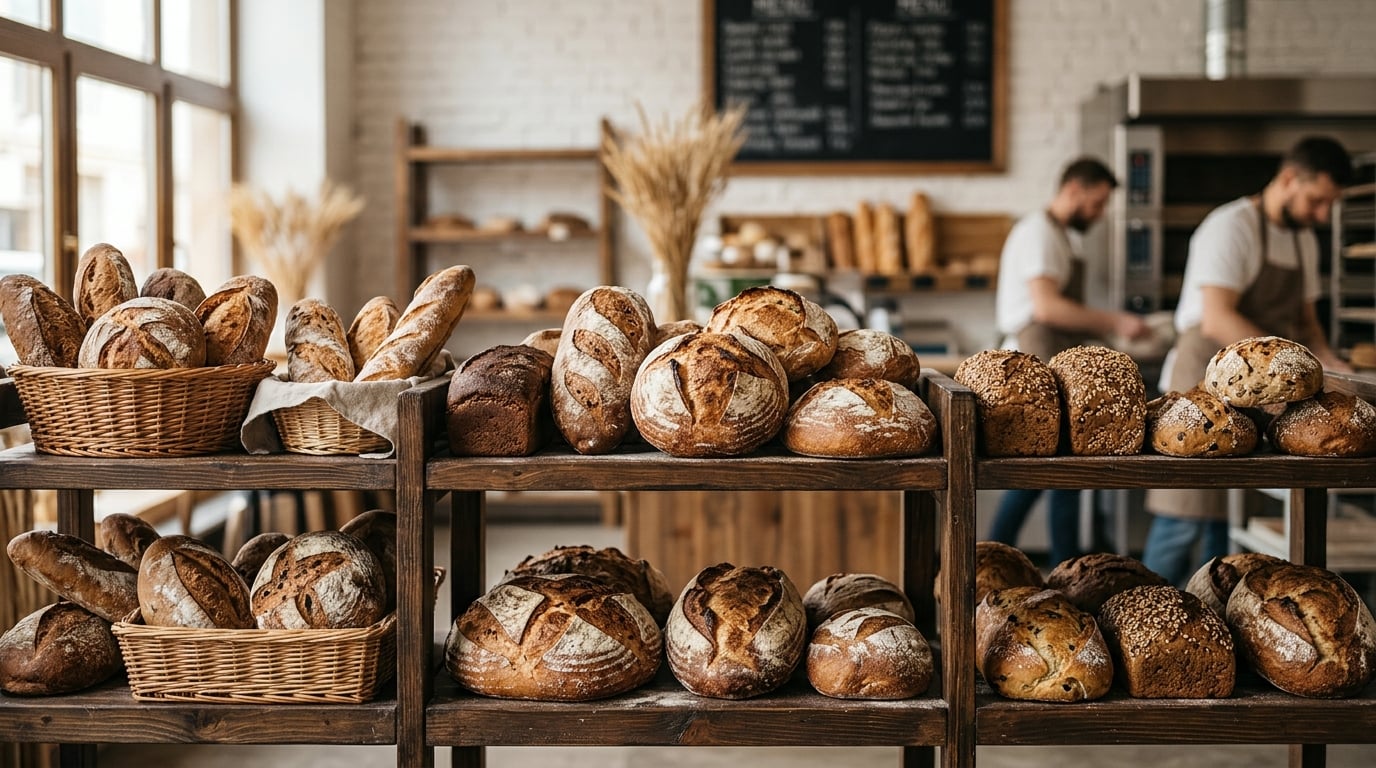
In 2026, sourdough bread firmly holds its position as the premier artisan bread category. Genuine, long-fermented loaves (crafted with 12-48 hour ferments using natural wild yeast starters) are now widely available, spanning grocery chains, regional bakeries, and small-batch home bakers selling via farmers markets and online storefronts. However, quality varies significantly. Options range from authentic naturally leavened bread with an open crumb and rich tangy depth, to "sourdough-flavored" commercial loaves enhanced with commercial yeast and vinegar for shortcuts. The top-tier choices for sourdough bread in 2026 typically cost between $7 and $14 per loaf, originating from bakeries that continue to hand-shape and bake in stone or deck ovens. This comprehensive sourdough bread 2026 review will help you discern what truly offers value.
- Sourdough Trends and Popularity in 2026
- Key Criteria for Sourdough Bread Quality in 2026
- Sourdough Bread 2026 Review: Popular Store-Bought & Bakery Options
- Homemade Sourdough vs. Commercial Sourdough in 2026
- Sourdough Bread 2026 Pricing and Value Across Options
- Final Rating and Sourdough Recommendations for 2026
- Frequently Asked Questions About Sourdough Bread in 2026
Sourdough Trends and Popularity in 2026
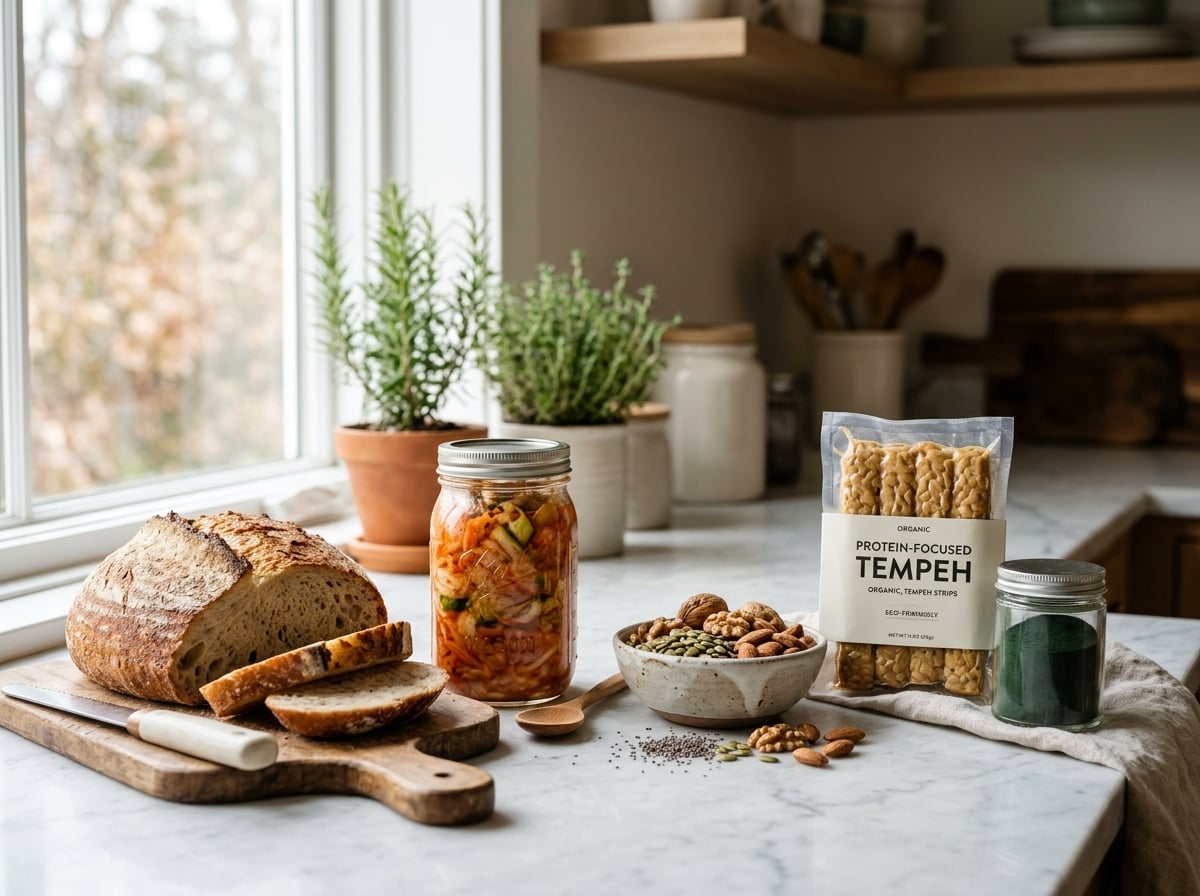
Sourdough's popularity, which surged during the pandemic, has not waned. Instead, 2026 marks a renewed wave of interest, fueled by gut-health awareness, protein-focused diets, and a growing consumer preference against ultra-processed breads. Major grocery chains like Whole Foods, Sprouts, and even Kroger-owned banners now offer house-made sourdough daily, moving beyond its previous status as a weekend special. Trader Joe's, for instance, expanded its sourdough offerings to five varieties this year, including a seeded version and a frozen par-baked boule.
A significant development is increased transparency. More product labels now disclose crucial details such as fermentation time, starter age, and flour sourcing—information that was rarely available just three years ago. Consumers have also become more knowledgeable; online communities (like Reddit's r/Sourdough, with over 900,000 members) can readily identify "fake" sourdough from crumb photos alone. This collective expertise has prompted bakeries to either commit to authentic long fermentation or subtly remove the term "sourdough" from packaging to avoid criticism.
Regional sourdough identities have also solidified. While San Francisco's distinct tangy, almost lactic style remains a benchmark, Pacific Northwest bakers have championed a milder, whole-grain-forward approach. Furthermore, a unique Appalachian style, often utilizing rye starters, has gained considerable traction in specialty shops from Asheville to Knoxville.
Key Criteria for Sourdough Bread Quality in 2026
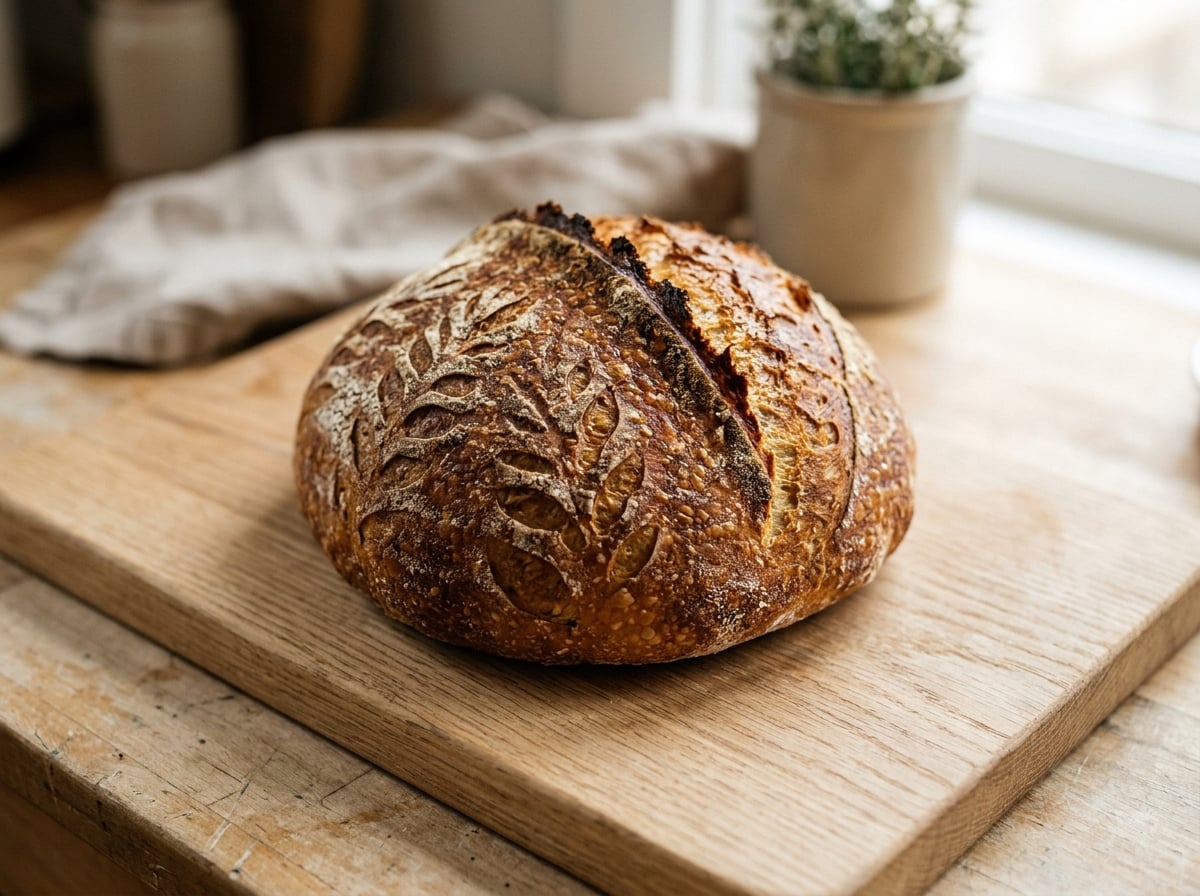
Evaluating sourdough bread goes beyond a simple "tastes good" assessment. After rigorously testing numerous loaves this year—including commercial, bakery, and homemade options—I've identified five essential criteria that distinguish truly excellent bread from its mediocre counterparts.
Crust Quality. An exceptional sourdough crust should audibly crackle when gently pressed and exhibit a slight shatter when cut, rather than merely bending. A thin or weak crust typically indicates a shorter baking time or a loaf proofed in a bag instead of a proofing basket.
Crumb Structure. Look for an irregular, open hole structure with a slightly glossy interior. This signifies proper fermentation and robust gluten development. A dense, uniform, and tight crumb—commonly seen in mass-produced "sourdough" loaves—almost always suggests that commercial yeast was the primary leavening agent, with sourdough culture added primarily for flavor.
Tang and Flavor Depth. The characteristic sourdough tang originates from lactic and acetic acids produced during fermentation. This flavor should be complex and layered—nutty, subtly sweet, and mildly sour—not simply sharp and vinegary. A singular, overly sour flavor is often a red flag for shortcut fermentation techniques, such as the addition of vinegar or citric acid.
Digestibility. While subjective, this aspect is noteworthy: breads fermented for 18 hours or more tend to be gentler on the stomach for individuals with mild gluten sensitivity. The extended fermentation process naturally breaks down gluten structures and reduces FODMAPs.
Shelf Life Without Staling. Authentic sourdough bread should maintain its quality for 4-5 days at room temperature when stored in a paper or cloth bag, often developing even better flavor by the second day. Bread that quickly becomes stale or molds within 48 hours usually indicates insufficient fermentation or the use of excessive moisture-retaining dough conditioners.
Sourdough Bread 2026 Review: Popular Store-Bought & Bakery Options
For this sourdough bread 2026 review, I evaluated seven widely available options, ranging from national chains to a specialty mail-order bakery. Here's a breakdown of their performance:
| Brand/Source | Fermentation Claimed | Crust Quality | Crumb | Tang Level | Price | Overall Score (/10) |
|---|---|---|---|---|---|---|
| Trader Joe's Sourdough Boule | Not disclosed | Decent, soft | Dense | Mild | $4.49 | 6.0 |
| Whole Foods Bakehouse Sourdough | 24 hr | Excellent | Open | Moderate | $6.99 | 8.0 |
| Acme Bread Co. (Bay Area) | 18-24 hr | Excellent | Very open | Strong | $8.50 | 9.0 |
| Panera Sourdough Round | Not disclosed | Weak | Dense | Very mild | $5.99 | 4.5 |
| Tartine Bakery (in-store) | 48 hr | Exceptional | Extremely open | Strong, balanced | $12.00 | 9.5 |
| Costco Kirkland Sourdough | Not disclosed | Average | Moderate | Mild | $5.99 (2-pack) | 6.5 |
| Local farmers market loaf (varies) | 24-36 hr typical | Variable, often excellent | Open | Varies, usually strong | $9-13 | 8.0 avg |
Several observations emerged. Despite significant marketing using the word "sourdough," Panera's sourdough round was the weakest performer. It relies heavily on visual cues (the signature slash, rustic shape) without the underlying fermentation quality. Costco's Kirkland sourdough loaf, on the other hand, offers genuinely solid value for a mass-produced product, often surpassing expectations for a warehouse club item, though it won't be mistaken for truly artisan bread.
Tartine Bakery continues to set the standard, with an unmatched quality. Its crumb structure—glassy, irregular, and almost lacy—alone justifies the price for those who appreciate bread as a culinary art form. Acme Bread Co. presents an excellent everyday alternative if Tartine's price point is too high but you still desire an authentic product. Farmers market sourdough remains a wildcard; quality varies greatly by vendor, but the best examples I encountered this year consistently rivaled or even surpassed bakery-counter options, often due to smaller batch sizes allowing for greater attention to detail per loaf.
Homemade Sourdough vs. Commercial Sourdough in 2026
Baking your own sourdough bread in 2026 is more accessible than ever before. This is thanks to improved starter kits, innovative digital proofing boxes (like the Brod & Taylor folding proofer, a gold standard at around $150), and an abundance of free online tutorials and guides, such as our complete guide to making sourdough bread. However, "easier" doesn't equate to effortless, and the comparison against commercial bread isn't always as skewed as enthusiastic home bakers might claim.
Homemade sourdough decisively wins on customization. You have complete control over hydration levels, flour blends, fermentation times, and any desired add-ins. Want a 40% whole wheat loaf with toasted walnuts and a hint of rye for added complexity? A commercial bakery is unlikely to produce such a specific item at scale. Homemade also offers significant cost savings per loaf once you establish a routine, typically ranging from $1.50-$2.50 in ingredients versus retail prices of $7-$12.
Commercial sourdough excels in consistency and convenience. A novice home baker's initial 10-15 loaves can be quite unpredictable—ranging from under-proofed, over-proofed, gummy centers, to blown-out crusts. It took me approximately three months of weekly baking to consistently produce loaves that met "bakery quality" standards, and that was with prior baking experience. For individuals lacking the time or patience for such a learning curve, a high-quality bakery loaf is often the more pragmatic choice.
Furthermore, there's a time investment often underestimated. Crafting a single homemade loaf, from start to finish, typically involves:
- Feeding and activating the starter: (8-12 hours, mostly passive) – Learn more in our sourdough starter feeding guide.
- Mixing and autolyse: (30-60 minutes active, 30 minutes rest)
- Bulk fermentation with periodic folds: (4-6 hours, approximately 20 minutes total active time)
- Shaping and cold proofing: (overnight, 12-16 hours)
- Baking: (45-55 minutes in a Dutch oven or on a baking stone)
This constitutes roughly a 24-36 hour process spread over two days, even if the hands-on time is only about 90 minutes. For busy households, this time commitment may not always be feasible, regardless of how superior the resulting bread tastes.
Sourdough Bread 2026 Pricing and Value Across Options
Value is not solely determined by price; it's about the price relative to the quality and experience received. Based on this year's testing for our sourdough bread 2026 review, several conclusions regarding value stand out.
Supermarket "sourdough" in the $4-6 range is rarely true sourdough. It's more accurately assessed as flavored white bread, not artisan bread. While suitable for sandwiches, it will likely disappoint if you're expecting genuine tang and an open crumb.
Mid-tier bakery sourdough, priced at $6-9 (from Whole Foods, Acme, or most regional bakeries), offers legitimate value. These loaves typically feature authentic fermentation, genuine flavor, and a price point that makes them justifiable for a weekly purchase without feeling overly indulgent.
Premium bakery sourdough, costing $10-14 (such as from Tartine and comparable artisan establishments), is exceptional. However, it's generally considered a treat or special occasion purchase, rather than an everyday bread, unless budget is not a concern.
Homemade sourdough, once you've made the initial investment in a starter (which can be free if you obtain discard from a friend, or $10-15 for a dehydrated kit) and basic equipment (a $35-45 Dutch oven is perfectly adequate; a $300 combo cooker is not essential), costs approximately $1.50-$2.50 per loaf in ingredients (flour, salt, and minor overhead). This represents the best value in the entire category by a significant margin, assuming you don't assign a hard dollar cost to your personal time.
Final Rating and Sourdough Recommendations for 2026
My overarching conclusion for this sourdough bread 2026 review is that true sourdough is more accessible and more accurately labeled than it has been in years. Nevertheless, the disparity between the best and worst "sourdough" available on shelves remains as wide as ever. Here are my final recommendations based on different scenarios:
For the absolute best quality, regardless of price: Invest in a loaf from a dedicated artisan bakery—a Tartine-caliber establishment if available to you, or your finest local equivalent. Score: 9/10 on quality, 6/10 on value.
For reliable weekly bread without premium bakery prices: Whole Foods' in-house sourdough or a similar regional grocery bakery program offers an excellent balance. Score: 8/10 quality, 8/10 value.
For budget-conscious buyers without artisan bakery access: Costco's Kirkland sourdough outperforms most mainstream grocery alternatives. Score: 6.5/10 quality, 7.5/10 value.
For those willing to invest time: Bake your own sourdough. Anticipate a challenging first month, but the long-term rewards—in both flavor control and cost savings—offer the best value presented in this entire review. Score: 9/10 quality once skilled, 10/10 value.
Avoid Panera's sourdough round and any product that lists "sourdough flavor" on its ingredient panel alongside added yeast, vinegar, or dough conditioners. While not explicitly dishonest, such products do not deliver the authentic sourdough experience you're likely seeking. Prioritize reading the ingredient list over marketing claims—this single habit will prevent more disappointment than any other tip provided in this review.
Frequently Asked Questions About Sourdough Bread in 2026
What are the key indicators of a high-quality sourdough bread?
High-quality sourdough bread typically has a crisp, crackling crust, an open and irregular crumb structure with glossy holes, and a complex flavor profile that is both tangy and layered, not just sharply sour. It should also have good digestibility and a longer shelf life (4-5 days) without staling quickly.
How much does good quality sourdough bread cost in 2026?
In 2026, good quality, genuinely long-fermented sourdough bread from artisan bakeries or reputable grocery store bakeries generally ranges from $7 to $14 per loaf. Budget options like Costco's sourdough can be found for around $5.99 for a two-pack, while homemade sourdough costs $1.50-$2.50 per loaf in ingredients.
Is it worth making sourdough bread at home in 2026?
Making sourdough bread at home in 2026 is definitely worth it if you're willing to invest the time. While there's a learning curve, homemade sourdough offers unparalleled customization, superior flavor control, and significant cost savings over retail options, making it the best value in the long run.
How can I spot "fake" sourdough bread in stores?
To spot "fake" sourdough, carefully read the ingredient list. True sourdough should primarily contain flour, water, salt, and a sourdough starter (or culture). Be wary of products that list commercial yeast, vinegar, citric acid, or "sourdough flavor" alongside, or instead of, a genuine sourdough starter, as these are often shortcuts to mimic the flavor without proper fermentation.
What are the main differences in regional sourdough styles?
Regional sourdough styles have distinct characteristics. San Francisco sourdough is known for its pronounced, almost lactic tang. Pacific Northwest styles often feature a milder flavor profile with a focus on whole grains. A notable Appalachian style has also emerged, distinguished by its use of rye starters, contributing to unique flavor notes.
Leave a Reply